
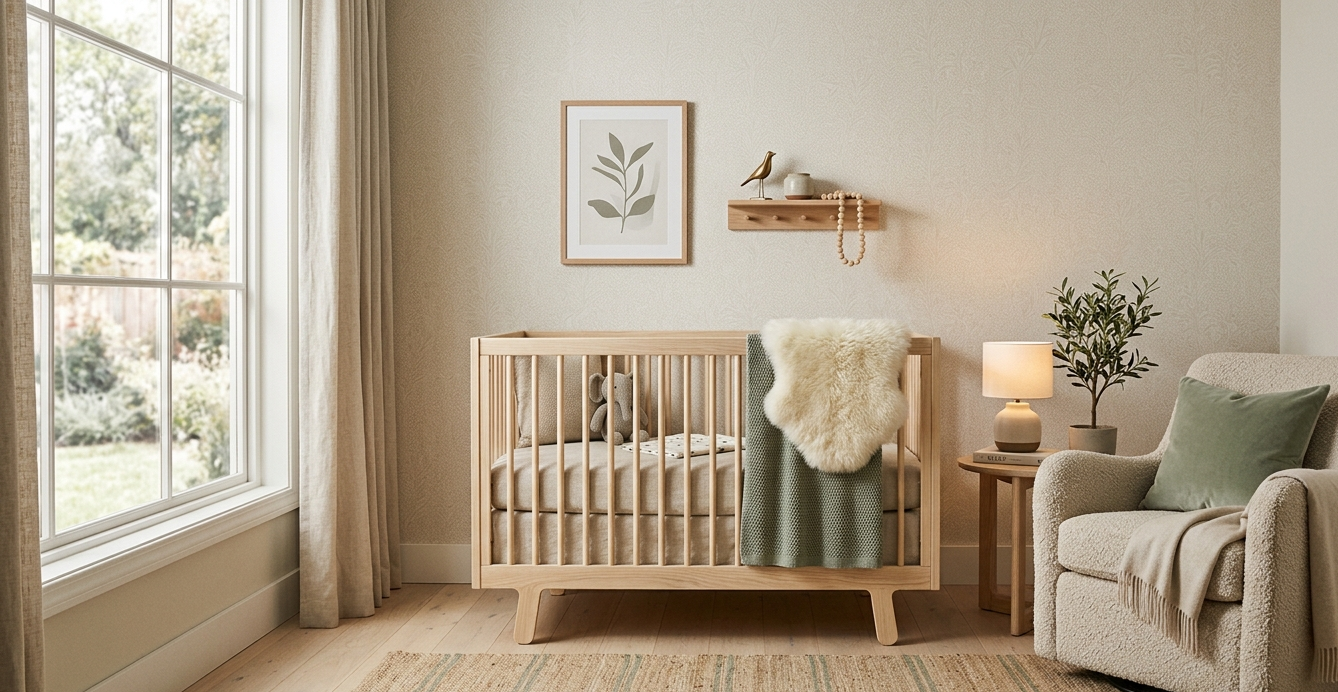
For decades, the industry fell into a binary trap. If it wasn’t bubblegum pink or navy blue, it was a somewhat uninspired pale yellow. But today, the “Smart Renovation Guide” philosophy is different. We are looking for gender-neutral nursery decor themes that grow with your child, focusing on sophisticated palettes, textural contrast, and a design language that feels like a natural extension of your home’s curated aesthetic.
The Evolution of the “Neutral” Nursery
Historically, nurseries were designed as temporary, high-contrast “kid zones” that felt disconnected from the rest of the house. In my experience, the shift toward gender-neutrality isn’t just about avoiding stereotypes; it’s about longevity. By utilizing a sophisticated base, you aren’t redecorating the entire room when your child hits age five.
We’ve moved from the primary colors of the 90s to the “Millennial Gray” era, and finally, we have arrived at what I call The Organic Era. This style prioritizes natural materials, muted earth tones, and a spatial flow that feels calm rather than chaotic. It’s about creating a sanctuary for both the baby and the parents who will spend many late nights within those four walls.
The Foundation: Color Psychology and Sophisticated Palettes
When selecting a palette, I encourage my clients to look at the “undertones” rather than the color itself. A gender-neutral room thrives on “greige,” “mushroom,” and “terracotta.” These colors offer a warmth that stark white lacks, providing a perfect backdrop for evolving decor.
The New Neutrals: A Curated Palette
In my design practice, I often return to these four specific color directions. They provide a high-end look while remaining completely inclusive.
- The Warm Minimalist (The “Oatmeal” Room): This is all about layering whites. Use a creamy white on the walls, a sand-colored rug, and oatmeal-toned upholstery.
- Hex Code Suggestion: #F5F5DC (Beige) & #D2B48C (Tan)
- The Earthy Sage (The “Botanical” Room): Sage green is the ultimate gender-neutral hero. It’s calming, gender-blind, and connects the indoors with nature.
- Hex Code Suggestion: #9B9B7A (Sage) & #EAE7DC (Parchment)
- The Terracotta Sunset (The “Desert” Room): For those who want warmth without “pink,” a dusty clay or terracotta provides a gorgeous, sun-drenched vibe.
- Hex Code Suggestion: #C27664 (Clay) & #8B4513 (Saddle Brown)
- The Moody Slate (The “Celestial” Room): A deep, charcoal gray or a very muted slate blue-green can create a cozy, “womb-like” environment that feels incredibly high-end.
- Hex Code Suggestion: #708090 (Slate) & #2F4F4F (Dark Slate)
The Power of Texture and Fabric Choice
In a room where color is restrained, textural contrast becomes your best friend. This is where a room goes from “flat” to “feature-worthy.” When I style a nursery, I aim for at least five different textures to create visual depth.
Mastering Materiality
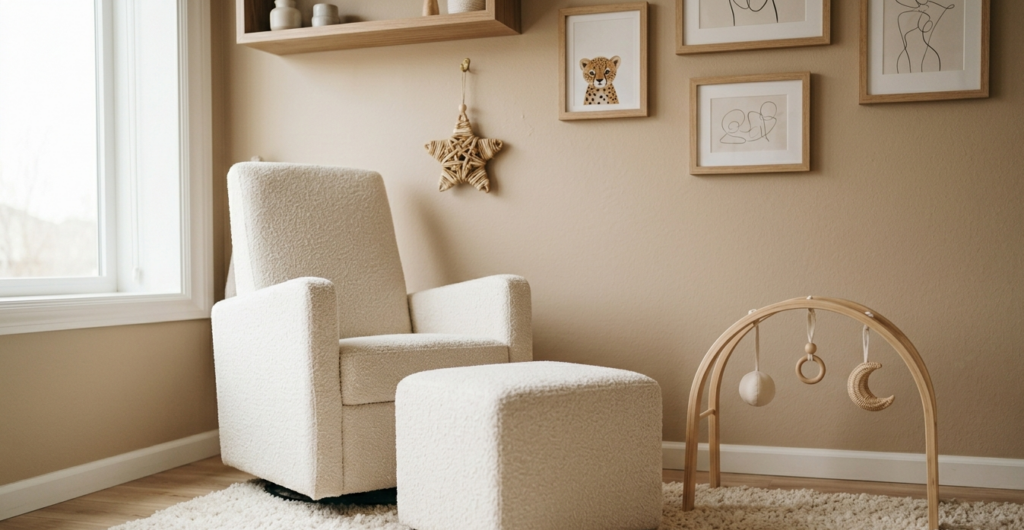
- Bouclé and Wool: A chunky knit throw or a bouclé glider adds a sense of luxury and softness.
- Natural Wood Grains: Whether it’s a light oak crib or walnut shelving, the “warmth” of real wood is a vital focal point.
- Linen and Muslin: These fabrics are breathable and have a beautiful, effortless “crinkle” that feels lived-in and organic.
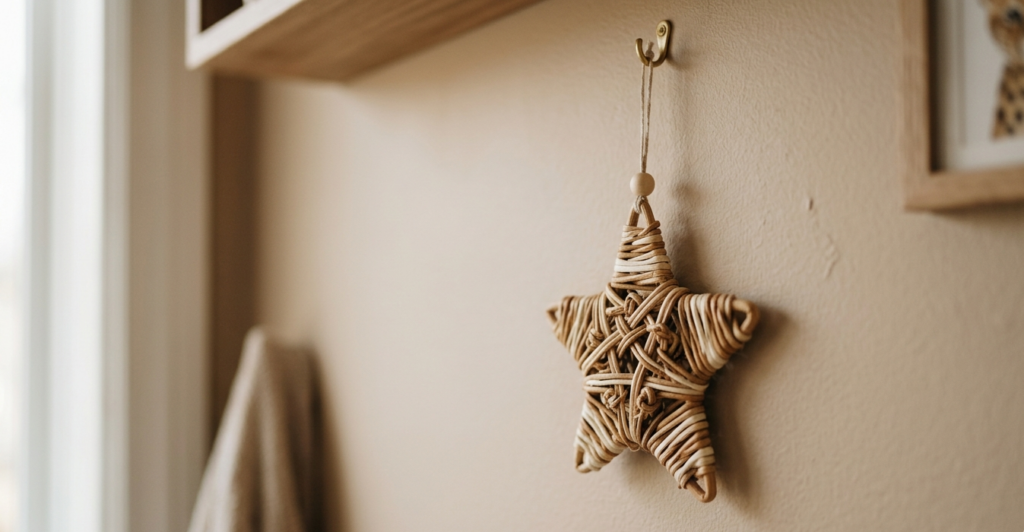
- Rattan and Wicker: Incorporating a woven bassinet or storage baskets introduces an artisanal, handcrafted element.
- Polished Brass or Matte Black: Use your hardware (drawer pulls, lamp bases) to “anchor” the room. Brass adds warmth, while matte black adds a modern edge.
“The Curator’s Choice”: 5 Essential Elements for a Timeless Nursery
Choosing the right pieces is about more than just utility; it’s about finding items that carry an “heirloom” quality. Here are five categories of furniture and accessories that I personally recommend for a gender-neutral space.
1. The Convertible Oak Crib
Instead of painted MDF, I always point my clients toward solid wood. A light oak or birch crib is the ultimate chameleon. It looks stunning against dark moody walls or light airy ones. Look for designs with “tapered legs” to give the piece a mid-century modern feel that transitions beautifully into a toddler bed.
2. The Over-Sized Performance Fabric Glider
The “rocking chair” has evolved. In a gender-neutral room, I prefer a glider in a “Stone” or “Pebble” performance fabric. Why? Because these tones don’t scream “baby.” Later, this chair can easily move into a reading nook in the master bedroom or a home office.
3. The Statement Jute or Wool Rug
A rug is the “fifth wall.” For a timeless look, avoid rugs with “childish” prints (like cars or butterflies). Instead, go for a high-quality Moroccan Berber or a flat-weave jute rug. These provide a spatial flow that grounds the room and provides a sophisticated foundation for play.
4. Modular Wall Shelving
I am a huge fan of “string shelving” or modular oak ledges. These allow the decor to change as the child grows. Today, they hold board books and wooden rattles; in five years, they hold trophies, LEGO sets, and chapter books.
5. High-End Gallery Frames
To make a nursery feel like a part of a “Smart Renovation,” use professional framing. Instead of taped-up posters, use oversized mats and thin wood frames to display botanical prints, abstract sketches, or black-and-white family photography.
How Gender-Neutral Nursery Trends Apply Room-by-Room
One of the biggest mistakes I see is treating the nursery as an “island” of design. To achieve a cohesive home, the elements of your gender-neutral nursery decor themes should echo in other spaces.
The Living Room Connection
Incorporate the “natural wood and linen” theme from the nursery into your living room through accent pillows or a similar wood-toned coffee table. This creates a sense of “visual harmony” throughout the house, making the transition from the nursery to the main living area feel seamless.
The Master Bedroom Connection
Use the same color palette (e.g., the Sage or Oatmeal tones) for your bedding or window treatments. By sharing a color story, the nursery feels like an intentional suite rather than an afterthought.
The Kitchen Connection
Even the kitchen can play a role. Use similar natural materials—like woven baskets for fruit or wooden serving boards—to mirror the textures found in the baby’s room. This is the secret to a home that feels “designed” rather than just “decorated.”
Pros and Cons: Style vs. Maintenance
As an expert, I have to be honest: a beautiful room is only successful if it works for your life.
| Feature | Pros (Aesthetic/Functional) | Cons (Maintenance/Longevity) |
| Light-Colored Textures | Creates a calm, airy atmosphere; looks high-end in photos. | Requires performance fabrics (stain-resistant) to handle spills. |
| Natural Wood Furniture | Timeless; fits any future decor changes; very durable. | Can be a higher initial investment than plastic or MDF options. |
| Minimalist Decor | Reduces visual clutter; promotes a peaceful sleep environment. | Can feel “cold” if you don’t layer enough textures. |
| Gender-Neutral Palettes | High resale value for the home; grows with the child. | Might feel “boring” to those who prefer high-energy colors. |
You might also enjoy:
- How to Arrange a Narrow Living Room Layout Flawlessly
- The Ultimate Guest Bedroom Essentials Checklist
- Powder Room Glam: Best Bold Wallpaper Secrets
Lighting: The Secret Ingredient
In my experience of styling, I’ve found that lighting is often the most overlooked element in nursery design. To maintain a gender-neutral, sophisticated vibe, avoid “theme” lamps.
- The Focal Point: Install a statement pendant light made of woven rattan or a large, sculptural paper globe. This adds an art-piece quality to the ceiling.
- Layering: Use a dimmable floor lamp with a warm-toned bulb (2700K) for nighttime feedings. Ambient lighting is crucial for setting a circadian rhythm for the baby.
- Natural Light: Use “sheer linen” curtains to diffuse sunlight, creating a soft, ethereal glow during the day.
Final Thoughts and Expert Tips
Designing a nursery is a deeply personal journey. My biggest piece of advice? Don’t design for a “baby”; design for a “human.” Babies grow incredibly fast, but a well-designed room with a solid foundation of quality materials and a sophisticated palette can last a decade.
My Expert Tip: Always start with the rug. It is much easier to match paint to a rug than it is to find a rug that perfectly complements a specific shade of “Mushroom” paint you’ve already put on the walls.