
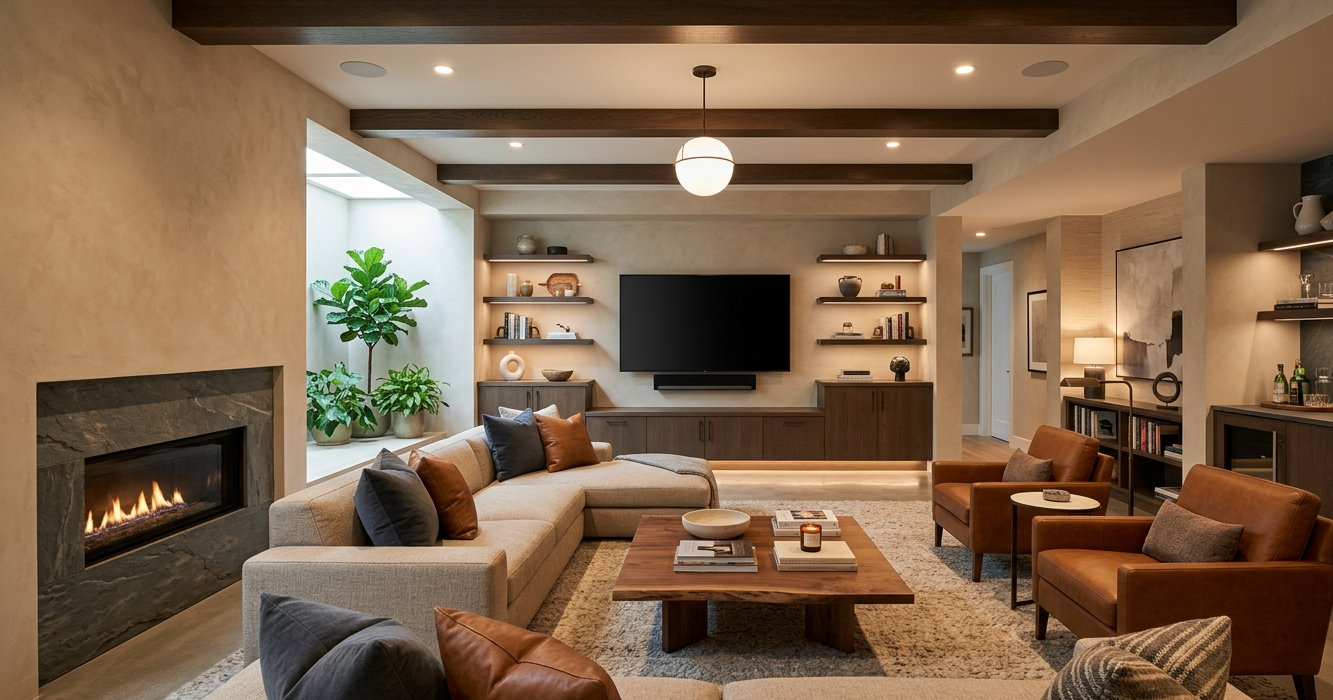
The basement is often the final frontier of home styling. We pour our hearts into the sun-drenched kitchens and the curated entryways, yet we leave the lower level to languish. But here is the secret: a basement offers a unique opportunity for textural depth and mood-driven design that the rest of the house might not support. Transforming this space into a cozy family lounge isn’t just about adding a sofa; it’s about mastering the art of subterranean warmth.
In this guide, we will explore basement transformation ideas: from storage room to cozy lounge, focusing on the aesthetics that turn a forgotten “below-grade” space into the most coveted seat in the house.
The Evolution of the Lower Level: From Utility to Sanctuary
Historically, basements were purely utilitarian. They were the engine rooms of the home, housing boilers and coal. In the mid-20th century, the “rumpus room” emerged—a wood-paneled, linoleum-floored space where kids could be loud.
Today, we are seeing a shift toward the Sophisticated Sanctuary. We are no longer hiding the basement; we are elevating it. The modern family lounge is a place for cinematic experiences, deep conversation, and tactile comfort. The goal is to move away from the “finished basement” look (which often feels clinical and sterile) and toward a layered, integrated living environment.
Mastering the Palette: Color Psychology for Low-Light Spaces
One of the biggest misconceptions in interior design is that a dark room must be painted white to feel larger. In my experience, painting a low-light basement stark white often results in a muddy, gray appearance. To create a truly cozy lounge, you must lean into the architecture.
The Power of “Cuddled” Colors
Instead of fighting the shadows, embrace them. Deep, saturated tones create a sense of “enclosure” that feels like a warm hug. When selecting your palette, consider the light reflectance value (LRV) of your paint, but focus more on the undertones.
- Midnight Navy & Charcoal: These provide a sophisticated backdrop for a media-heavy lounge.
- Terracotta & Ochre: These bring in “artificial sunshine,” adding warmth even when natural light is scarce.
- Sage & Moss: These connect the subterranean space to the garden outside, making it feel less like a basement and more like a garden level.
Expert Recommendation: The “Lounge Luxe” Palette
- Deep Navy (Hex: #2C3E50): Use for a dramatic focal wall or built-in shelving.
- Warm Greige (Hex: #C2B280): A perfect transitional neutral for trim and ceilings.
- Burnt Sienna (Hex: #A0522D): Ideal for leather accents and velvet pillows.
- Soft Cream (Hex: #F5F5DC): Use on the ceiling to lift the space without feeling cold.
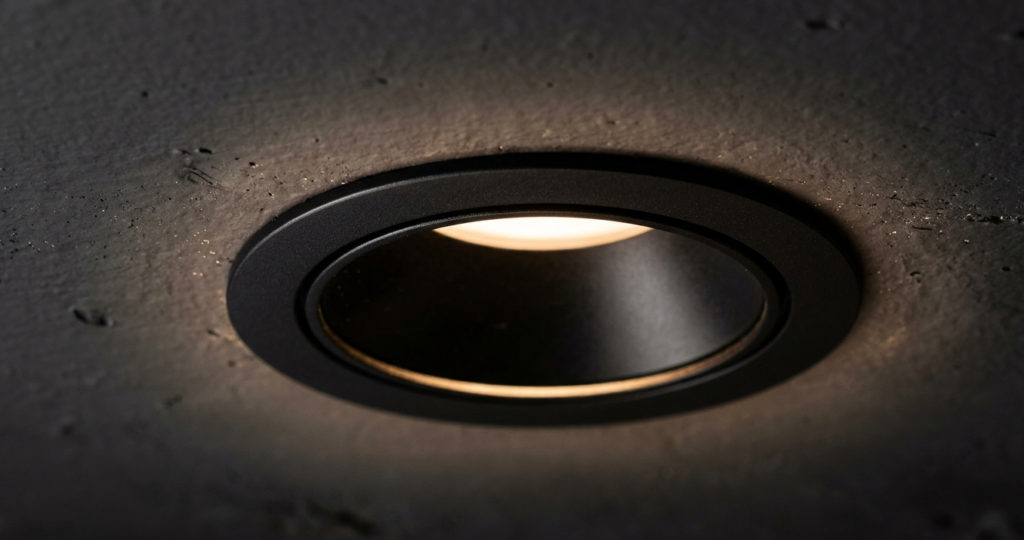
Textural Contrast: The Key to Basement Comfort
If color is the soul of the room, texture is the heartbeat. In a basement, you are surrounded by hard surfaces: concrete, drywall, and perhaps metal supports. To transform this into a cozy lounge, you must introduce textural contrast.
The Layering Rule
I always advise my clients to follow the “Rule of Three” for textures. Every surface should have a mix of Rough, Smooth, and Soft.
- Rough: Think reclaimed wood mantels, exposed brick (even if it’s a high-quality veneer), or jute rugs. These elements ground the room.
- Smooth: Polished brass hardware, glass coffee tables, or satin-finish cabinetry. These reflect light and prevent the room from feeling “heavy.”
- Soft: This is where you go heavy. Velvet sofas, faux-fur throws, and high-pile wool rugs.
Fabric Choices for Longevity and Luxury
In a lower-level lounge, fabric selection is paramount. You want materials that feel expensive but can withstand the “family” aspect of the lounge.
- Performance Velvet: It’s nearly indestructible but offers a shimmering depth that catches lamplight beautifully.
- Bouclé: This “bubbly” fabric adds immediate architectural interest to a simple armchair.
- Linen-Blends: Use these for drapery to add a breezy, organic feel that counters the “buried” sensation of a basement.
Illuminating the Dark: A Three-Layer Lighting Strategy
Lighting is the “make or break” element of any basement transformation ideas: from storage room to cozy lounge. If you rely solely on overhead “can” lights, your lounge will feel like a surgical suite.
To achieve a high-end, cozy aesthetic, we must layer our light:
1. Ambient Lighting (The Foundation)
Dimmable recessed lighting is fine, but it shouldn’t be your only source. I prefer using LED perimeter lighting tucked into coves to wash the walls with soft light, making the boundaries of the room feel further away.
2. Task Lighting (The Function)
If your lounge includes a reading nook or a game table, you need focused light. A sleek floor lamp with an articulated arm or a classic banker’s lamp adds both function and a “library-esque” charm.
3. Accent Lighting (The Magic)
This is where the personality comes in. Use picture lights over artwork, battery-operated candles in bookcases, and—my personal favorite—uplights behind large potted plants (like a faux olive tree) to cast dramatic shadows on the ceiling.
“The Curator’s Choice”: 5 Essential Elements for a Family Lounge
In my decade and a half of styling, I’ve found that these five items consistently bridge the gap between “storage room” and “designer lounge.”
1. The Oversized Modular Sectional
The anchor of the room. A modular design allows you to shift the layout for movie nights or large family gatherings. Opt for a deep-seated profile to encourage lounging rather than formal sitting.
2. Large-Scale Wall Art
Basements often have small, high windows (or none at all). Large art acts as a “window to another world.” I love using oversized triptychs or a singular massive abstract canvas to create a focal point that distracts from the lack of natural light.
3. The “Library” Built-in
Even if you aren’t a big reader, floor-to-ceiling shelving adds immense spatial flow and architectural weight. Filling shelves with a mix of books, ceramic vases, and personal mementos makes the basement feel like a lived-in part of the home’s narrative.
4. Statement Area Rugs
A rug in a basement serves two purposes: style and warmth. I recommend a rug that is at least 9×12 to ensure it tucks under all furniture legs, creating a “room within a room.” Look for Moroccan Berber patterns for a bohemian cozy vibe.
5. Ambient Sound Integration
While not a visual “accessory,” hidden speakers or a vintage-style record player station add to the sensory experience. Music rounds out the atmosphere in a way that furniture cannot.
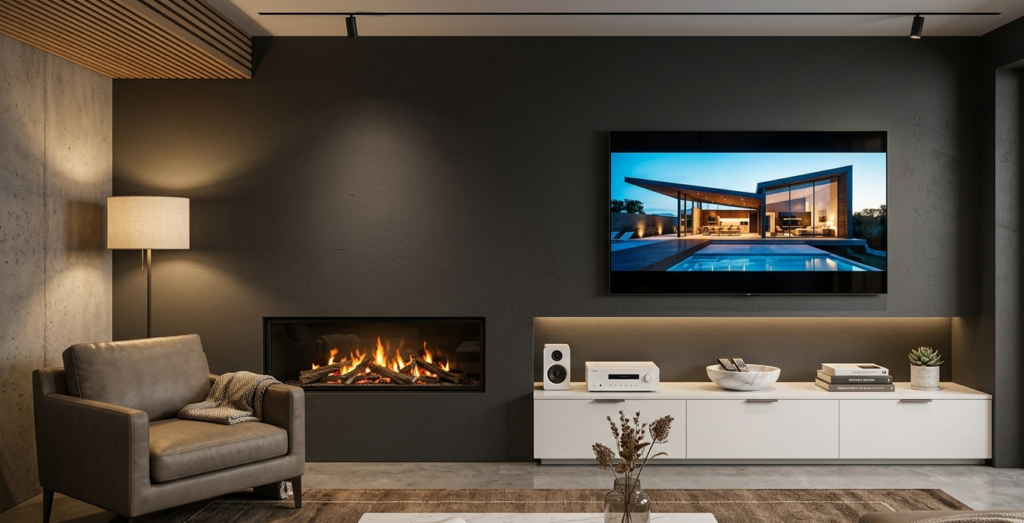
You might also enjoy:
- How to Arrange a Narrow Living Room Layout Flawlessly
- Creating a Master Bedroom Oasis: A Styling Guide
- Small Kitchen, Big Style: 10 Genius Decor Hacks
Room-by-Room Application: Bringing the “Basement Vibe” Upstairs
The principles we use for a cozy basement lounge—moody palettes, heavy textures, and layered lighting—can be applied throughout the home to create a cohesive aesthetic.
The Living Room
Take the “cuddled” color concept to your main living area. If your living room feels too airy and cold, introduce a darker accent wall or heavy velvet drapes. Use the same textural contrast rules to make a large, open-concept space feel more intimate.
The Bedroom
The basement lounge is all about “retreat.” Apply this to the bedroom by prioritizing a “soft-on-soft” approach. Layered rugs over carpet, a fabric-upholstered headboard, and dimmable bedside sconces mimic that subterranean sanctuary feeling.
The Kitchen
While kitchens need to be functional, they often lack the “cozy” factor. You can bring the basement lounge aesthetic here by using warm wood tones, brass hardware, and “living room” elements like a small lamp on the counter or a runner rug in a rich, traditional pattern.
Pros and Cons: Aesthetics vs. Maintenance
When embarking on a basement transformation, it is vital to weigh the stylistic choices against the realities of the space.
| Feature | Pros (Style & Comfort) | Cons (Maintenance & Reality) |
| Dark Paint Colors | Incredible depth; hides imperfections; creates a “cinema” feel. | Can show scuffs easily; requires a very thoughtful lighting plan. |
| High-Pile Rugs | Maximum coziness; excellent sound dampening. | Harder to vacuum; can trap dust in high-traffic family zones. |
| Velvet Upholstery | Looks luxurious; feels amazing; light-reflective. | Requires occasional steaming to keep the pile looking fresh. |
| Open Shelving | Great for styling; makes the room feel larger. | Becomes a “dust magnet” in basements with less airflow. |
| Wall-to-Wall Drapery | Softens the “box” feel; adds vertical height. | Needs to be high-quality fabric to avoid looking like a theater curtain. |
Designing for Spatial Flow
A common mistake in basement design is “furniture hugging.” This is when all furniture is pushed against the walls to leave a big empty space in the middle. This actually makes the room feel smaller and more like a hallway.
In my projects, I practice spatial flow by pulling the sofa away from the wall—even by just six inches. This creates a “breathable” silhouette. Define zones using furniture: a console table behind the sofa can act as a desk or a place for drinks, effectively separating the “lounge” area from the “walkway” area without the need for walls.
The Finishing Touches: Styling with Intent
Once the furniture is in place, the “styling” begins. This is where you inject your personality.
- The Power of Greenery: Since basements lack light, invest in high-quality “real-touch” silk plants. A large fiddle-leaf fig or a trailing pothos adds a burst of life that breaks up the neutral tones.
- Personal Curated Trays: On your coffee table, use a wooden or brass tray to group smaller items like remotes, a candle, and a small bowl of matches. This turns clutter into a “vignette.”
- Throw Blanket Draping: Don’t just fold your blankets. “Artfully toss” them over the corner of the sectional. It signals to the brain that this is a place of rest.
Conclusion: Your Subterranean Escape Awaits
Transforming your basement from a cluttered storage unit into a sophisticated family lounge is one of the most rewarding home projects you can undertake. It is about more than just square footage; it is about reclaiming a part of your home and turning it into a destination. By focusing on color psychology, textural layering, and intentional lighting, you create a space that doesn’t just look good—it feels good.
Expert Tip:
Before you buy a single piece of furniture, spend an hour in your empty basement at different times of the day. Notice where the shadows fall and where you naturally gravitate. Design your seating layout around the “warmest” feeling corner of the room.