
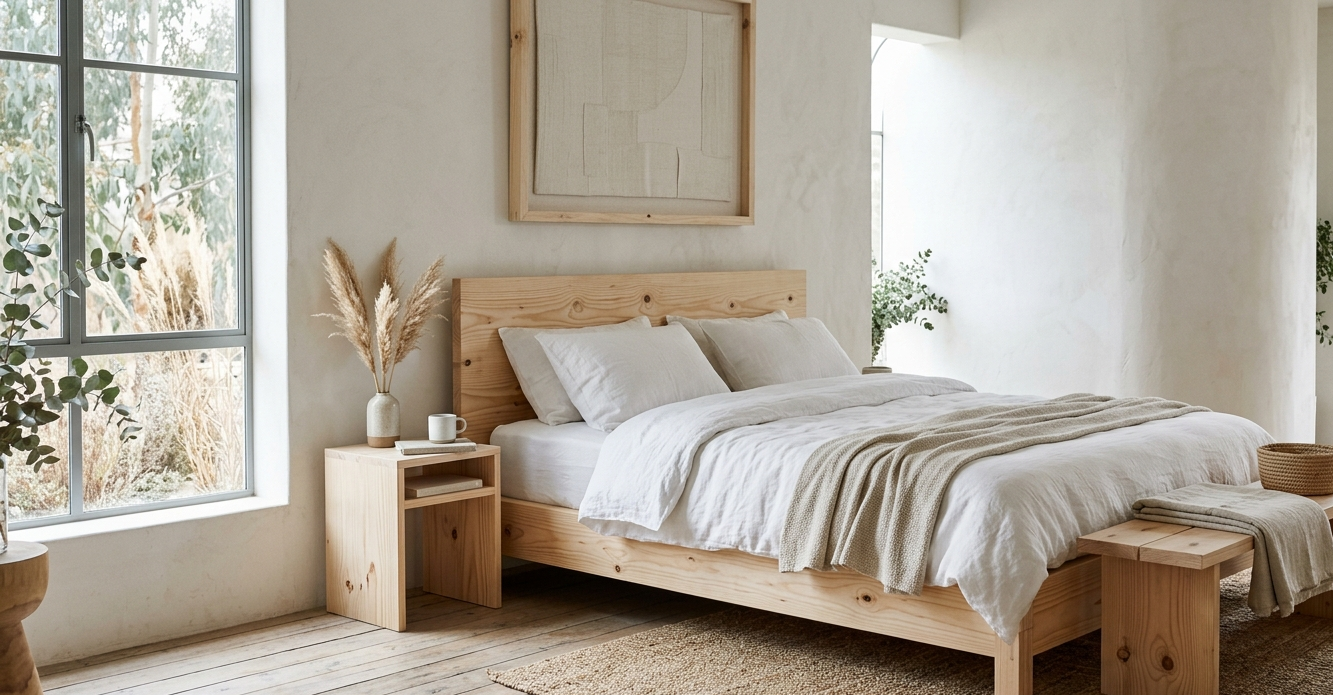
We spend a third of our lives with our faces inches away from our bed frames and mattresses. If those pieces are off-gassing formaldehyde or synthetic adhesives, our “rest” isn’t quite as restorative as we think. Today, I’m seeing a beautiful shift in residential aesthetics: wellness-driven design. We are moving away from fast-furniture and toward top rated non-toxic mattresses and bed frames for healthy sleep that look as good as they feel.
Creating a sustainable bedroom isn’t just about ethics; it’s about a specific, grounded aesthetic that celebrates the raw beauty of the natural world. Let’s dive into how you can curate your own eco-friendly dream space.
The Evolution of Sustainable Sleep Aesthetics
The history of eco-friendly furniture used to be… well, a bit crunchy. Twenty years ago, if you wanted “non-toxic,” you were often limited to unfinished pine that looked like it belonged in a sauna or a scouting camp.
Fast forward to 2026, and the landscape has completely transformed. We are currently in the era of Refined Biophilia. This style blends the clean lines of Scandinavian minimalism with the warmth of Japanese craftsmanship (often called Japandi). The modern sustainable bed frame is no longer just a utility; it is a focal point of textural interest, featuring hand-rubbed oils, visible wood grains, and soft, curved silhouettes that invite relaxation.
Key Elements of the Non-Toxic Aesthetic
To master this look, I always look for three things:
- Material Integrity: Solid woods like maple, walnut, or FSC-certified oak.
- Visible Joinery: Techniques like Japanese mortise-and-tenon joints replace the need for toxic metal glues and offer a stunning visual detail.
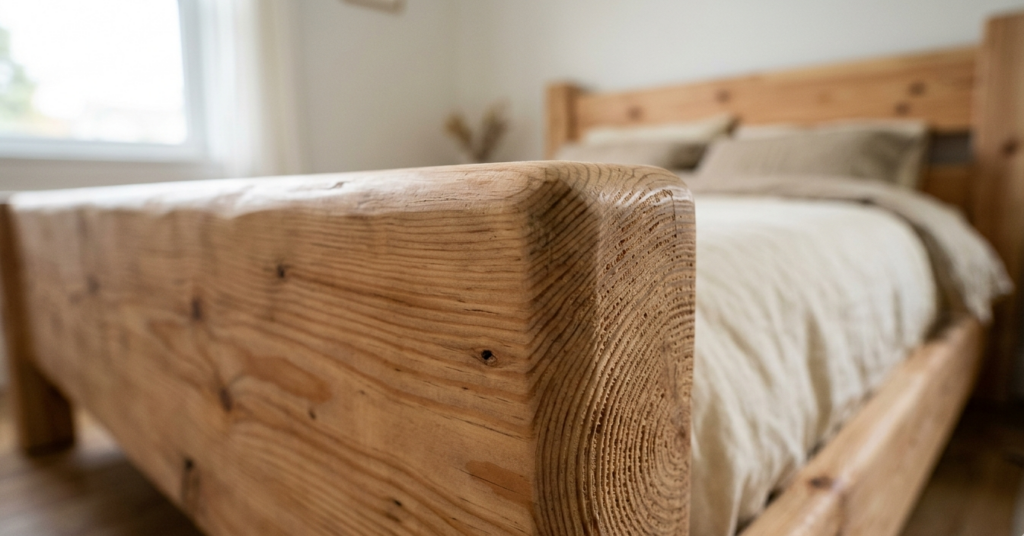
- Low-Sheen Finishes: We’ve moved away from high-gloss lacquers toward matte, breathable finishes like linseed oil or beeswax.
Deep Dive: Textures, Palettes, and Fabrics
When I’m styling a sustainable room, the “feel” of the space is dictated by its textural contrast. Since we aren’t relying on flashy synthetic dyes or plastics, we have to let the materials do the heavy lifting.
The 2026 Earth-Tone Palette
In my experience, the most successful eco-bedrooms use a “tonal layering” approach. Instead of one accent wall, we use various shades of the same earthy family to create spatial flow.
- The Foundation (Sand & Clay): Start with a base of warm neutrals.
- Hex Suggestion:
#D2B48C(Tan) or#E3DCCB(Bone).
- Hex Suggestion:
- The Depth (Moss & Terracotta): Use these for your throw pillows or a velvet (organic cotton) bench.
- Hex Suggestion:
#4B5320(Moss) or#8E402A(Burnt Sienna).
- Hex Suggestion:
- The Highlight (Cloud): Keep your ceilings and sheer curtains in a crisp, unbleached white.
- Hex Suggestion:
#F9F6F2.
- Hex Suggestion:
Fabric Choices: Beyond Basic Cotton
The “non-toxic” label extends to your upholstery. If you prefer an upholstered bed frame over solid wood, your fabric choice is paramount for both health and style.
- Wapato Linen: This is the “it” fabric of 2026. It has a heavier weight than traditional linen, giving it a structured, architectural look while remaining entirely breathable.
- GOTS-Certified Organic Wool: I love using wool-wrapped frames. Wool is naturally flame-retardant (eliminating the need for nasty chemicals) and adds a soft, matte texture that absorbs sound, making your bedroom feel like a quiet cocoon.
- Hemp Weave: For a more rustic, “Cottagecore” vibe, hemp offers incredible durability and a visible, organic tooth to the fabric that looks stunning under warm, directional lighting.
The Curator’s Choice: 5 Essential Sustainable Pieces
Selecting the right furniture is an investment in your longevity. Here are the five types of pieces I am currently obsessed with for my high-end residential projects.
| Piece Type | Why It Matters | Stylist’s Tip |
| The Japanese Joinery Frame | Uses no screws or glues; purely structural and stunning. | Look for brands like Thuma or Avocado for that “floating” look. |
| Solid Walnut Platform | Walnut has a natural oil content that glows without heavy stains. | Pair with a low-profile mattress to keep the lines clean. |
| Organic Latex Foundation | Replaces poly-foam with sap from rubber trees. | Ensure it is GOTS or GOLS certified to guarantee purity. |
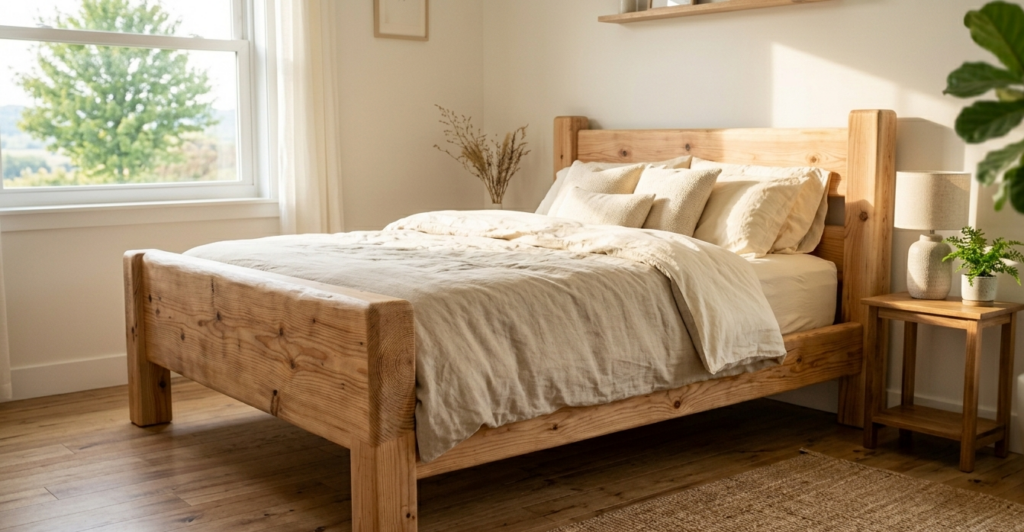
| Reclaimed Wood Headboard | Each piece tells a story through knots and weathering. | Excellent for adding a “focal point” in a minimalist room. |
| The Padded Linen Headboard | Uses needle-punched wool instead of synthetic batting. | Choose a “greige” linen to hide natural wear and tear. |
Room-by-Room Application
While we are focusing on the bedroom, the philosophy of top rated non-toxic mattresses and bed frames for healthy sleep can—and should—bleed into the rest of your home to create a cohesive aesthetic.
The Living Room
In the living room, replace synthetic “performance” fabrics with heavy-weight organic cotton canvases. Swap out your MDF coffee table for a solid FSC-certified wood piece. The goal here is tactile authenticity—when you touch a surface, it should feel like nature, not a factory.
The Kitchen
The “non-toxic” dream continues with cabinetry. I often recommend my clients choose solid wood doors finished with zero-VOC paints. Pair this with natural stone countertops like soapstone or quartzite, which don’t require the heavy chemical sealants that some granites do.
The Bedroom (The Heart of the Home)
This is where the magic happens. To implement this style, start with the bed frame as your anchor. Everything else—the organic latex mattress, the linen sheets, the clay-potted plants—should radiate outward from this central piece of functional art.
You might also enjoy:
- Solid Wood vs MDF Furniture: Is the Investment Worth It?
- Top 7 Modular Sofas for Small Spaces
- Velvet vs Leather Sofa: The Pet Owner’s Guide
Pros and Cons of Sustainable Styling
Choosing eco-friendly luxury is a lifestyle choice that comes with its own set of trade-offs.
Pros
- Visual Longevity: Natural wood and high-quality linens age beautifully, developing a “patina” rather than just looking “used.”
- Air Quality: You will notice a literal difference in how the room smells and feels. It feels lighter and cleaner.
- Timelessness: Solid wood frames don’t go out of style. They aren’t “trendy” in the way plastic-molded furniture is.
Cons
- Maintenance: Natural wood is “living.” It may require a light re-oiling every few years to maintain its luster.
- Initial Investment: Real materials cost more than particle board. However, I always tell my clients: “Buy once, cry once.”
- Weight: Solid wood and steel frames are heavy. They aren’t meant for frequent moves; they are meant to be heritage pieces.
Expert Tip for the Final Touch
If you want to truly elevate your sustainable bedroom, look at your lighting. LED bulbs can often feel “cold,” which clashes with the warm tones of natural wood. I recommend using “Warm Dim” technology or bulbs with a Kelvin rating of 2700K. When that warm light hits the grain of an oak bed frame or the ripples of a linen duvet, it creates a golden-hour glow that makes your bedroom feel like a five-star eco-resort.