
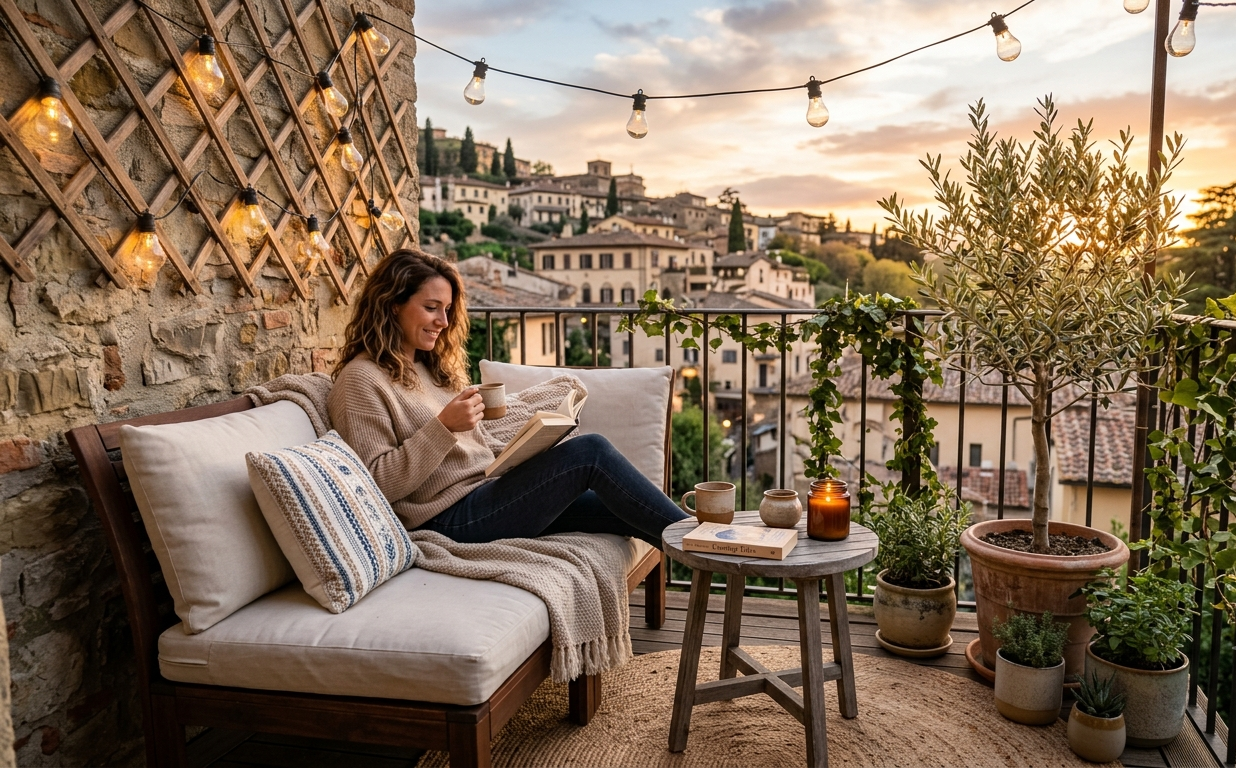
If you are currently staring at a cramped, uninspired urban balcony, let me reassure you: you do not need an expansive estate to experience the luxury of an outdoor oasis. With the right design approach, even the most compact apartment balcony can become a deeply restorative escape. Today, I am sharing my top small balcony decor ideas to help you maximize your outdoor footprint beautifully.
The Evolution of the Balcony: From Architectural Afterthought to Lifestyle Sanctuary
To appreciate how we design small outdoor spaces today, it helps to understand how our relationship with these architectural features has evolved. Historically, urban balconies—ranging from the ornate wrought-iron juliets of 19th-century Paris to the brutalist concrete overhangs of mid-century apartments—were primarily constructed for ventilation, light, and architectural rhythm on building facades. They were rarely viewed as true living spaces. Instead, they functioned as utilitarian platforms to hang laundry, store household goods, or catch a brief breath of fresh air.
In recent decades, however, our collective perspective on home design has shifted dramatically. The boundary between our interiors and exteriors has permanently blurred. We no longer view the apartment balcony as a separate, isolated platform; rather, we see it as an outdoor room.
In my experience of practicing residential aesthetics, I have watched the demand for high-end, weather-resistant outdoor furnishings explode. Manufacturers have finally realized that apartment dwellers deserve the same level of luxury, tactile comfort, and sophisticated style as those with sprawling backyards. Today, designing a small balcony is an exercise in editing. It is about taking the historical concept of the urban overlook and infusing it with modern luxury, turning a neglected ledge into a curated, functional escape.
7 Small Balcony Decor Ideas to Maximize Style and Comfort
Transforming a limited footprint requires deliberate choices. Here are seven design-forward strategies I consistently use to unlock the hidden potential of small outdoor spaces.
1. Establish a Singular Focal Point
The biggest mistake I see DIY decorators make in small spaces is trying to crowd too many elements into one view. Just as you would in a living room, your balcony needs a clear focal point. Decide what the primary purpose of your oasis will be. Is it a reading nook? If so, a single, incredibly comfortable lounge chair draped in a luxury throw should dominate the space. Is it an alfresco café? Then a sleek, bistro table takes center stage. By anchoring the eye on one beautiful element, you establish an immediate sense of intention and design clarity.
2. Draw the Eye Upward with Vertical Greenery
When floor space is at a premium, look to your walls and railings. Incorporating verticality is a classic interior design technique that expands the perceived volume of a space. I love utilizing modular wooden trellises, wall-mounted pocket planters, or elegant tier stands to layer plants vertically. Mixing trailing varieties like English Ivy or Pothos with structured plants like snake plants creates a lush, living backdrop that provides natural privacy without consuming valuable real estate where your feet need to go.
3. Lay a Foundation with Textural Outdoor Rugs
Never underestimate the power of flooring to redefine a space. Exposed concrete or weathered decking can feel cold and uninviting. By introducing a premium flat-weave outdoor rug, you instantly telegraph to your brain that this is an indoor-quality room that happens to be outside. Look for geometric patterns to add modern structure, or choose a rich, organic sisal alternative to bring a grounding, earthy feel to your feet.
4. Optimize Spatial Flow with Floating or Foldable Furniture
In tight quarters, heavy, blocky furniture is the enemy of spatial flow. Every piece should feel light and airy. I highly recommend looking for sleek, powder-coated aluminum or slender teak furniture. Foldable bistro sets are a fantastic classic option because they can be easily tucked away when you want to practice outdoor yoga or tend to your plants. Alternatively, look into semi-permanent bar tops that clamp directly onto your balcony railing, completely eliminating the need for a traditional table base.
5. Introduce Ambient, Layered Lighting
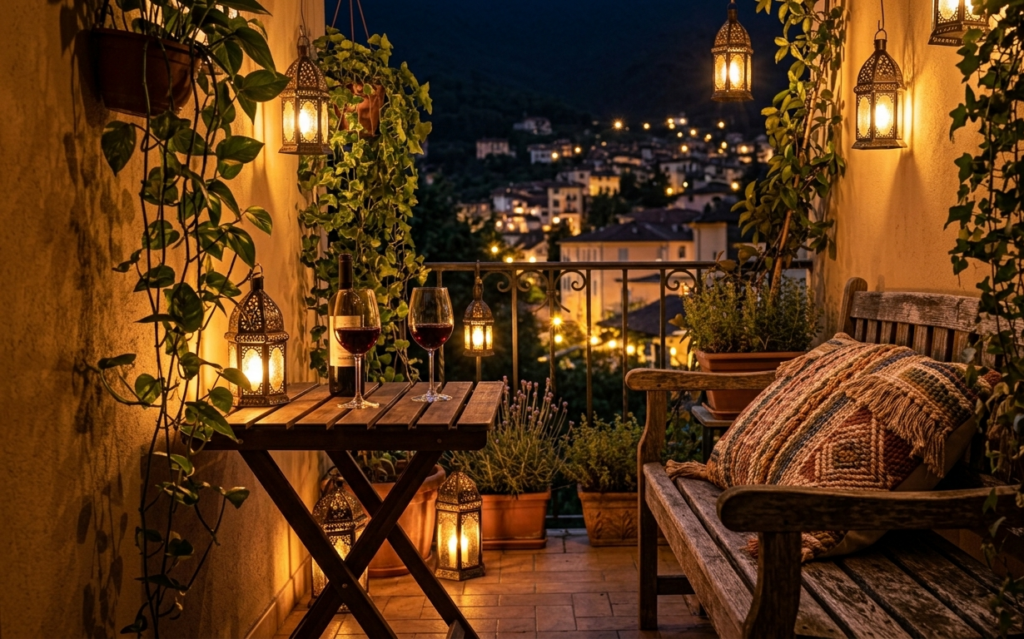
A single overhead building light can feel clinical and harsh. To create a deeply relaxing mood when the sun sets, you must layer your lighting sources. I like to weave warm, vintage-style Edison string lights across the ceiling or railing, place heavy glass lanterns with flickering LED candles on the floor to illuminate corners, and perhaps add a small, rechargeable wireless cordless lamp to the table surface. This creates a soft, golden glow that makes your balcony feel incredibly high-end and exclusive.
6. Soften the Hard Angles with Tactical Textiles
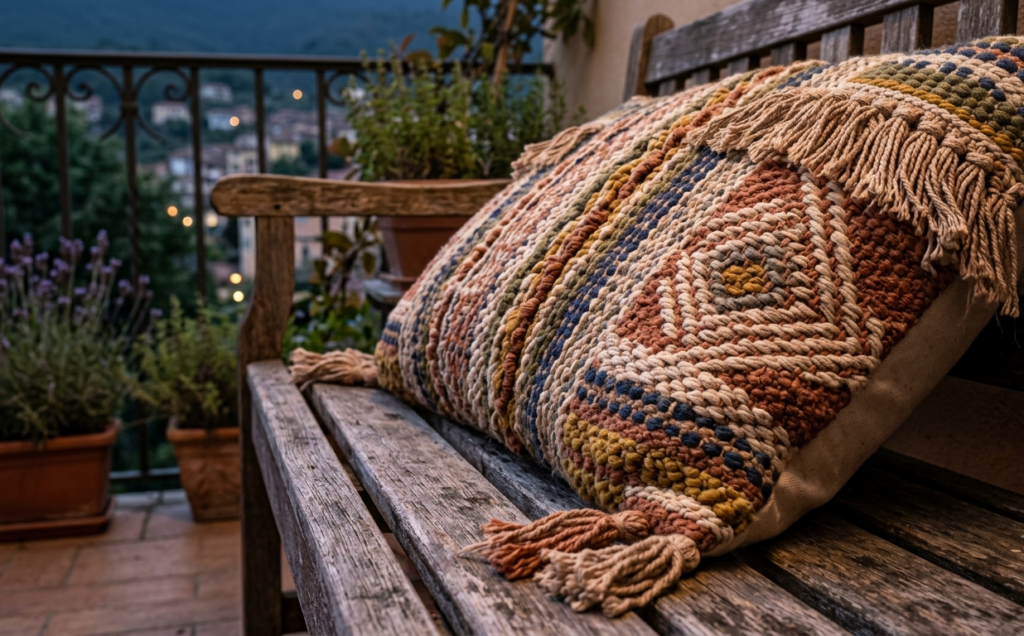
Balconies are inherently full of hard surfaces: brick, concrete, glass, and metal. To counteract this visual rigidity, you must introduce soft, tactile textiles. Layering weather-resistant performance velvet or high-end acrylic outdoor pillows instantly adds depth and comfort. Do not be afraid to bring interior throw blankets outside with you during your evenings reading under the stars; the juxtaposition of a chunky knit blanket against a sleek metal chair is pure design magic.
7. Create Privacy with Organic Elements
Feeling overlooked by neighbors can instantly ruin the serenity of your outdoor sanctuary. Instead of choosing heavy, claustrophobic solid screens, I prefer creating a soft, organic barrier. Deep planter boxes filled with tall, whispering ornamental grasses or dense bamboo create an elegant, semi-private screen. This allows gentle breezes and dappled sunlight to filter through while still carving out a private sanctuary just for you.
Deep Dive: Mastering Color Psychology, Materiality, and Textural Contrast
To elevate your small balcony decor ideas from a simple Pinterest inspiration board to a cohesive, professionally designed reality, we must take a deep dive into the technical nuances of aesthetics: color, material selection, and textile curation.
The Psychology of the Outdoor Color Palette
Color sets the psychological baseline of a room. Inside a home, you have four solid walls containing your palette. Outside, your palette must dialogue with the surrounding environment—the color of your building’s brick, the neighboring sky, and any visible treetops.
For small balconies, I generally recommend two distinct color directions depending on the emotional response you wish to evoke:
Palette Option A: The Serene Minimalist (Earth & Sky)
This palette is designed to visually expand the boundary of your balcony by blending seamlessly into natural surroundings. It relies on muted, sophisticated neutrals that feel deeply grounded.
| Element | Color Name | Suggested Hex Code | Design Purpose |
| Base Neutral | Alabaster Mist | #F2EFE9 | Use for outdoor rugs or main cushions to reflect light and open up the space. |
| Accent Neutral | Weathered Teak | #8C7D70 | Use for wood furniture frames or planter boxes to provide an organic anchor. |
| Pop Color | Eucalyptus Sage | #7A8B7B | Use for ceramic pots and accent pillows to echo the natural foliage. |
Palette Option B: The Sun-Drenched Mediterranean (Warm & Vibrant)
If your balcony gets intense afternoon sun and you want to lean into a cheerful, high-energy vacation vibe, look to warm, terracotta-driven hues.
| Element | Color Name | Suggested Hex Code | Design Purpose |
| Base Neutral | Warm Sand | #E6DFD3 | Keeps the foundation calm so the brighter accents don’t overwhelm the eye. |
| Primary Accent | Terracotta Clay | #C46D4B | Rich, earthy orange for principal ceramic vessels or a statement lounge chair. |
| Secondary Accent | Deep Indigo | #2C3A4E | A striking contrast color for small decor details, patterned pillows, or a tray. |
Material Selection: Blending Longevity with Luxury
When designing outdoors, the materials you select must work twice as hard as your indoor furnishings. They need to look sophisticated up close while maintaining their visual integrity against the elements.
- Powder-Coated Aluminum: This is my absolute go-to for modern, minimalist balconies. It is incredibly lightweight (allowing you to easily rearrange your layout to maintain spatial flow), completely rust-resistant, and can be found in gorgeous, matte architectural finishes.
- Grade-A Teak: If your aesthetic leans more traditional, transitional, or Japandi, high-quality teak is unmatched. It contains natural oils that repel water. Left untreated, it beautifully matures over time into a silver-gray patina that looks exceptionally elegant.
- High-Density Polyethylene (HDPE) Resin Wicker: Avoid cheap, brittle plastic wicker at all costs. Instead, opt for premium HDPE resin woven over an aluminum frame. It gives you the beautiful, rich texture of traditional rattan but will not crack, fade, or unravel under intense UV exposure.
Executing Flawless Textural Contrast
In interior design, when a monochrome or neutral space feels boring, it is almost always due to a lack of textural contrast. In a small outdoor space, you cannot rely on massive architectural details to create interest, so your textiles must do the heavy lifting.
To achieve a professional look, pair materials with opposing tactile qualities. For example, if you have a smooth, matte-black powder-coated bistro set (smooth/hard/cold), you should pair it with a woven jute rug (rough/organic/warm) and plush, slubby linen-look outdoor cushions (soft/inviting).
When selecting fabrics, always look for solution-dyed acrylics (such as Sunbrella or refined equivalents). Historically, performance fabrics felt stiff and canvas-like. Today, however, they are woven with incredibly luxurious hands—mimicking everything from rich bouclés to soft jacquards—allowing you to bring true indoor luxury to your outdoor oasis.
You might also enjoy:
- How to Arrange a Narrow Living Room Layout Flawlessly
- Unlocking Potential: Designing a Cozy Basement Lounge
- Creating a Master Bedroom Oasis: A Styling Guide
The Curator’s Choice: 5 Essential Furnishings for Small Balconies
To help you cut through the noise of endless online shopping options, I have curated five specific, high-design categories of furniture and accessories that are perfect for maximizing a compact footprint.
1. The C-Shaped Side Table
- Design Philosophy: Traditional center coffee tables block walk paths and ruin the flow of a small balcony. A C-shaped table is a masterclass in functional engineering.
- Why It Works: The base slides effortlessly underneath your lounge chair or sofa, allowing the tabletop to hover directly over the armrest. It takes up virtually zero independent floor space while providing a stable, elegant surface for your morning book and espresso.
2. The Modular Low-Profile Corner Chair
- Design Philosophy: Instead of buying two small, uncomfortable chairs that split up the space, invest in one deep, plush, modular corner piece.
- Why It Works: Tucking a low-profile lounge piece tightly into a corner maximizes the usable seating area and leaves the center of the balcony open. The low height keeps the sightline clear, making the balcony feel larger than it actually is.
3. Rechargeable LED Cordless Task Lamps
- Design Philosophy: True luxury lighting should never be tethered to an ugly extension cord or an outdoor electrical outlet.
- Why It Works: Beautifully designed, dimmable metallic or ceramic cordless lamps can be placed exactly where you need them. They act as a sophisticated design accessory by day and a warm, targeted source of ambiance by night.
4. The Railing-Mounted Drop-Leaf Table
- Design Philosophy: This is the ultimate space-saving solution for urban balconies where dining alfresco is a priority.
- Why It Works: This clever piece securely attaches to your balcony railing, serving as a sleek bar top. When you are done eating, the top folds completely flat against the railing, instantly restoring your open floor area.
5. Heavy-Gauge Architectural Fiberstone Pots
- Design Philosophy: Cheap plastic pots ruin a high-end design aesthetic instantly, while traditional terracotta or concrete can be prohibitively heavy.
- Why It Works: Fiberstone—a brilliant blend of fiberglass, resin, and crushed stone—offers the raw, minimalist textural look of heavy cast concrete but at a fraction of the weight. It provides a clean, contemporary frame for your plants.
Room-by-Room Application: Translating Balcony Aesthetics Indoors
A truly cohesive home does not feel fragmented. The design language you establish on your balcony should harmoniously connect with your adjacent indoor rooms to create a unified sense of place. Here is how to create a seamless visual transition from your apartment interior to your exterior oasis.
The Living Room Connection
If your balcony opens directly off your main living room, treat the glass door as a frame for a living painting. Align the orientation of your interior furniture to guide the eyes naturally outward.
For instance, if your living room features a soft cream linen sofa, choose a similar neutral base tone for your balcony seating. Use the exact same accent color from your indoor throw pillows (perhaps a rich sage green or a warm terracotta) on your balcony pots or outdoor textiles. This simple continuity tricks the eye into viewing the balcony as an extension of the living room, instantly making your entire apartment feel significantly larger.
The Bedroom Sanctuary
When a small balcony is attached to a bedroom, the design priority shifts from entertaining to ultimate relaxation. The aesthetic goal here is to create an uninterrupted flow of tranquility.
Mirror the cozy textures of your bedroom bedding on the exterior. If your bedroom embraces a warm Japandi aesthetic with light oak woods and soft linen layers, use a light teak wood chair and a lightweight, waffle-weave throw blanket on the balcony. Keep the lighting low, warm, and deeply relaxing, ensuring that looking out your bedroom window at night feels like an absolute invitation to rest.
The Kitchen Transition
A balcony adjacent to a kitchen or dining area should naturally lean into an epicurean theme. Use this space to create a functional extension of your culinary lifestyle.
Line the balcony railing or window sill with matching, sleek ceramic pots filled with fresh, aromatic herbs like basil, rosemary, and mint. The colors should feel crisp and clean. If your kitchen features modern black hardware, carry that motif outside with matte black metal bistro chairs or a black iron plant stand. This creates a brilliant visual bridge, making it incredibly delightful to step outside and snip fresh herbs while cooking dinner.
Weighing the Options: Style vs. Practical Maintenance
While I always encourage pushing the boundaries of design, balancing aesthetic desires with the realities of outdoor living is key to long-term enjoyment.
The Pros: Visual Harmony & Spatial Success
- Enhanced Spatial Perception: By selecting low-profile furniture and utilizing vertical space, you create an open environment that feels expansive rather than cluttered.
- Increased Footprint Usability: Turning a neglected balcony into a styled room functionally increases the livable square footage of your apartment.
- Boosted Mood & Well-Being: Having a beautifully curated, organic space to connect with the outdoors directly contributes to a calm, grounded daily routine.
The Cons: The Realities of Maintenance
- Environmental Exposure: Unlike your indoor rooms, outdoor decor is subjected to wind, rain, dust, and pollen. Even the highest-end materials require routine wipe-downs.
- Cushion Management: While performance fabrics are water-resistant, they are not completely waterproof. To keep them looking pristine for years, you will need to invest in a sleek, weatherproof storage bench or commit to bringing your cushions inside during heavy storms.
- Plant Care Commitment: A lush green wall looks spectacular, but potted plants dry out much faster outdoors than indoor tropicals do. You must be prepared for a regular watering and grooming schedule to keep your vertical oasis from looking parched.
Conclusion: Crafting Your Personal Open-Air Retreat
At its core, interior design is not just about filling a room with beautiful things; it is about curating an environment that elevates your daily experience of life. Your apartment’s small balcony is a precious canvas waiting to be unlocked. By approaching it with a clear layout strategy, a thoughtful color palette, and a rich mix of textures, you can easily transcend the limitations of square footage.
💡 The Expert’s Golden Rule
If you take away only one styling secret today, let it be this: Treat your outdoor space with the exact same respect you show your interiors. Do not settle for cheap, uninspired plastic furniture just because it is outside. Invest in beautiful materials, layer your textures deliberately, light the space like a sanctuary, and watch your tiny balcony transform into your absolute favorite room in the house.