
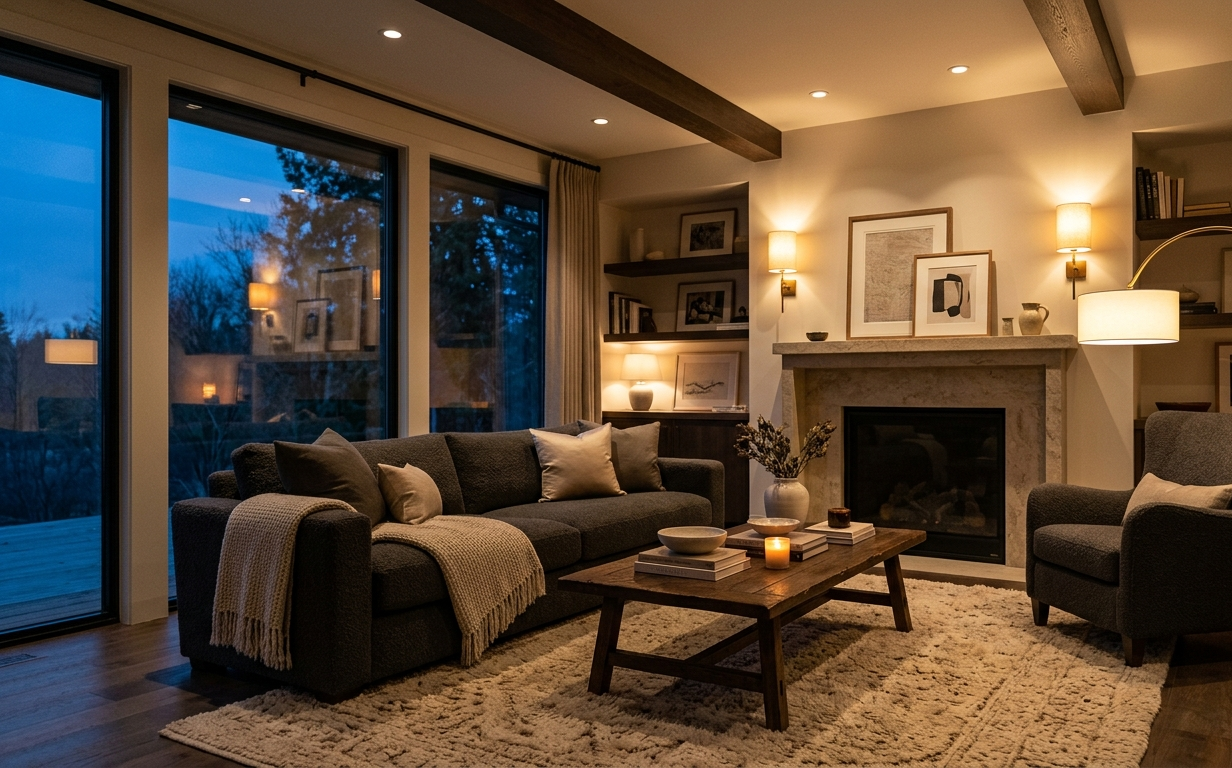
Learning how to choose living room lighting is not merely a matter of selecting pretty fixtures from a catalog; it is the ultimate secret weapon of interior design. Lighting is the invisible thread that stitches your furniture, color palette, and architectural details into a cohesive, living narrative. Today, I am sharing my signature Layered Light Blueprint — a comprehensive, enhanced guide to help you eliminate lackluster spaces and create a home filled with coziness, depth, and an unmistakable atmosphere.
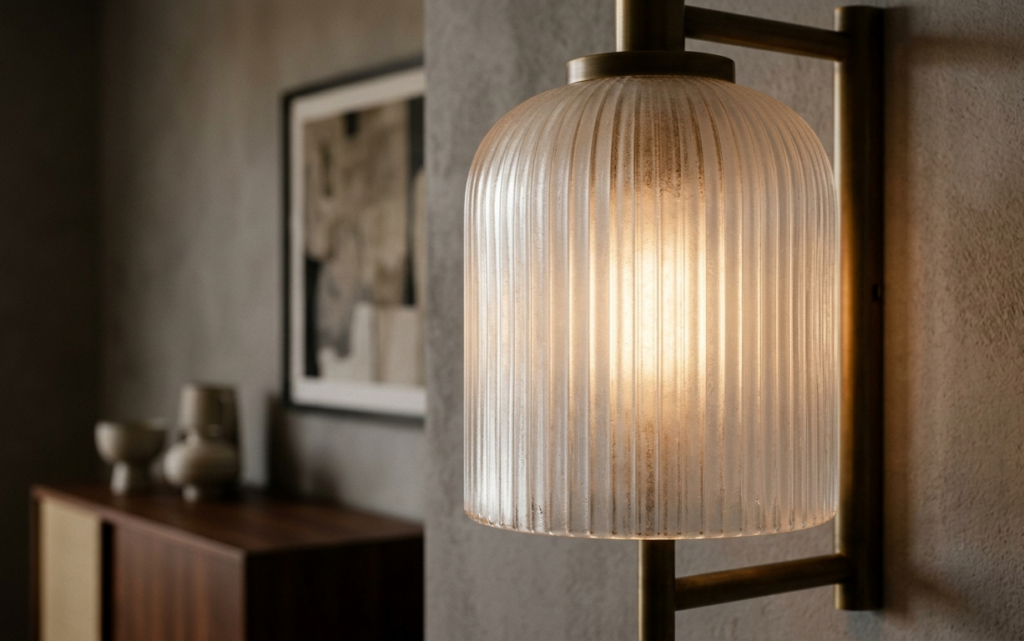
Core Elements of the Layered Light Blueprint
Achieving an unforgettable atmosphere requires a masterful orchestration of three distinct layers of light: Ambient, Task, and Accent. When these three elements collaborate, they create a dynamic spatial flow that adapts seamlessly to your lifestyle.
1. Ambient Lighting (The Foundation)
Ambient light is the base layer of your room. It replaces natural sunlight and provides a uniform, comfortable level of brightness that allows you to move safely throughout the space. Think of it as the canvas upon which we paint with other light sources. This is typically achieved through architectural lighting like recessed cans, flush mounts, or statement chandeliers.
2. Task Lighting (The Functional Focus)
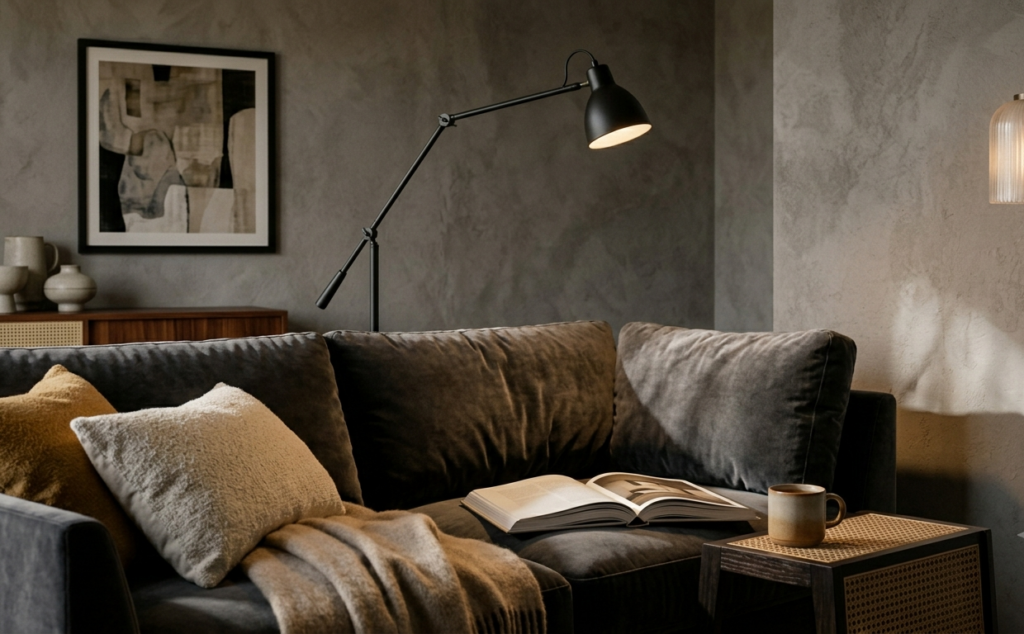
Task lighting is highly targeted. It is designed to illuminate specific activities—reading a novel in an armchair, playing a board game at the coffee table, or working from a laptop. Task lighting should be adjustable, glare-free, and positioned to prevent casting shadows over your work or leisure areas.
3. Accent Lighting (The Drama and Depth)
This is where the magic happens. Accent lighting is purely emotional; it draws attention to a beautiful focal point, highlights architectural details, or showcases prized artwork. By creating a contrast between light and shadow, accent lighting adds that coveted sense of dimensional luxury to your living room.
Step-by-Step: How to Implement Layered Lighting in Your Home
Implementing this blueprint requires looking at your living room through a fresh lens. Follow this design sequence to map out your layout perfectly.
Step 1: Establish Your Focal Points
Before buying a single bulb, identify what you want people to notice first when they walk into your living room. Is it a stunning marble fireplace mantle? A gallery wall of family heirlooms? A dramatic architectural archway? Place your accent lights here first. A beautiful picture light or a pair of flanking wall sconces will immediately anchor the room.
Step 2: Layer in the Tasks
Next, look at your furniture layout. Where do people sit to read, talk, or relax? Position a tall, structural floor lamp next to your primary reading chair. Place elegant table lamps on side tables at either end of your sofa. Ensure the bottom of the lampshades sit roughly at eye level when seated to prevent direct glare from the bulb.
Step 3: Soften the Edges with Ambient Glow
Once your accent and task lights are mapped out, fill in the remaining gaps with soft ambient light. Instead of relying solely on overhead recessed lights, look for ways to bounce light off the ceiling and walls. An uplight tucked behind a large indoor tree or low-profile LED strips running along the underside of custom media cabinetry will soften harsh corners and make the entire room feel more expansive.
Color Psychology, Textures, and Fabric Choices
To truly master how to choose living room lighting, you must understand that light does not exist in a vacuum. Light is a reactive medium; its success depends entirely on the colors, textures, and fabrics it reflects within your space. In my 15 years of practice, I have seen beautiful lighting designs fail simply because they were paired with incompatible materials.
The Nuances of Color Temperature
When selecting bulbs, color temperature—measured in Kelvins ($K$)—is your most critical decision. For living rooms, I strictly recommend bulbs between 2700K and 3000K.
- 2700K (Warm White): Emulates the comforting, golden glow of traditional incandescent bulbs. It is highly flattering to skin tones and enhances warm wood tones.
- 3000K (Soft White): Slightly crisper and cleaner, excellent for highly contemporary spaces with crisp white walls, though it still maintains a welcoming residential feel.
Avoid anything above 3500K in a living room; higher temperatures introduce cool blue tones that feel clinical and completely destroy a cozy evening mood.
Suggested Color Palettes & Hex Codes
Your wall paint acts as a giant reflector board. Darker colors absorb light, demanding more fixtures, while lighter colors bounce light around the room. Here is a curated, designer-approved palette optimized for rich light interplay:
| Role | Color Name | Hex Code | Light Behavior |
| Primary Wall | Alabaster Glow | #F2EFE9 | Bounces light softly without creating sterile reflections. |
| Accent Wall / Cabinetry | Muted Moss | #6E7263 | Absorbs light beautifully, creating deep, moody shadows. |
| Trim & Architectural Details | Warm Parchment | #E5DDD0 | Adds a subtle contrast that catches directional light beautifully. |
Textural Contrast and Fabric Selections
The interplay between light and fabric is where true textural contrast comes alive. Matte fabrics, such as Belgian linen and heavy slub cotton, diffuse light softly, making them perfect for creating a relaxed, grounded environment.
On the other hand, rich textiles like silk, mohair, and low-pile performance velvet catch directional light, bouncing it off their fibers to create a sense of shimmering luxury. When positioning an accent light or a directional sconce, aim it so it grazes across these textured surfaces to emphasize their tactile depth.
The Curator’s Choice: 5 Essential Lighting Accessories for the Ultimate Ambience
Selecting individual fixtures can feel overwhelming. To streamline your process, here is a highly curated list of five essential accessories and furniture pairings that I return to project after project for their timeless aesthetic and flawless light distribution.
1. The Architectural Arc Floor Lamp
- Best For: Anchoring floating seating arrangements.
- Why It Works: When your sofa sits in the center of a large room away from walls, getting task light to it can be challenging. An arc floor lamp swoops gracefully over the back of the sofa, delivering overhead functional light precisely where you need it without requiring hardwired ceiling boxes. Look for models with a heavy marble base for stability and a brushed brass or matte black finish.
2. The Ceramic Alabaster Table Lamp
- Best For: Softening side tables and console tables.
- Why It Works: Ceramic and alabaster bodies possess an organic, tactile quality that feels sculptural even during the daytime. When illuminated at night, an alabaster base provides a ethereal, translucent glow from within, while a traditional ceramic base reflects down-light into a beautiful, localized pool.
3. The Low-Profile LED Linear Strip
- Best For: Floating shelves, bookcases, and media consoles.
- Why It Works: These flexible, hidden strips are the ultimate designer secret for creating an upscale, built-in look. Tucked neatly into a routed groove beneath a shelf, they cast an uninterrupted downward glow that highlights books, sculpture, and decorative objects while making the entire piece of furniture appear lightweight and custom-made.
4. The Matte-Finished Swing-Arm Wall Sconce
- Best For: Framing fireplaces or flanking accent art.
- Why It Works: Swing-arm sconces combine the best of form and function. They add a sophisticated graphic element to your walls while allowing you to manually direct light onto a book or pivot it back toward the wall to act as a soft accent light.
5. The Frosted Glass Globe Pendant
- Best For: Dining nooks or central statement pieces.
- Why It Works: Clear glass pendants can look beautiful, but they often cause uncomfortable glare because the bare bulb is completely exposed to your eye line. Frosted or opaline glass globes gently diffuse the light across 360 degrees, scattering a soft, moon-like luminescence throughout the upper half of the living room.
Room-by-Room Application: Translating the Blueprint Across Your Home
While our primary focus is mastering how to choose living room lighting, the underlying principles of the Layered Light Blueprint can—and should—be adapted to other key areas of your home to create a harmonious spatial flow.
You might also enjoy:
- The Magic of Color: Ultimate Accent Wall Guide
- The Truth About Washable Rugs: Worth the Money?
- Cozy Vibes: Best Winter Sofa Styling Textures
The Living Room: The Ultimate Multi-Tasker
In the living room, flexibility is paramount. This space hosts lively family game nights, quiet afternoon reading sessions, and intimate evening movie screenings. Therefore, your living room requires the highest density of separate light sources.
Every single layer must be connected to independent dimmers, allowing you to instantly dial back the ambient lighting and ramp up the accent lighting as day transitions into night.
The Bedroom: A Sanctuary for Sleep
In the bedroom, the goal shifts from vibrant multi-functionality to absolute tranquility and intimacy.
- Strategy: Keep your light sources low to the ground. Swap out bright overhead fixtures for low-wattage bedside table lamps or wall sconces mounted at pillow level.
- Application: Focus on warm, rich textile lampshades (like linen or pleated silk) that filter out harsh glares, encouraging your circadian rhythm to naturally wind down at the end of a long day.
The Kitchen: Precision Meets Gathering
The kitchen requires a inversion of the blueprint. Here, task lighting takes absolute priority. You need high-clarity, shadow-free illumination over countertops, islands, and cooktops to ensure safe food preparation.
- Strategy: Utilize bright, crisp recessed ceiling spotlights coupled with under-cabinet LED strips.
- Application: Once the cooking is finished and guests gather around the kitchen island, turn off those bright task lights and turn on decorative island pendants fitted with warm, dimmable bulbs to instantly transition the kitchen into a cozy entertaining hub.
Pros and Cons of Structured Layered Lighting
While a fully layered lighting design yields stunning results, it is helpful to look at the practical balance between visual aesthetics and everyday maintenance before beginning your transformation.
Pros: Visual & Functional Triumphs
- Enhanced Spatial Flow: Layered lighting can make small living rooms feel significantly larger by drawing the eye to the perimeter walls and upper corners.
- Unrivaled Flexibility: You can instantly change the entire mood of the house to suit the occasion—from high-energy brightness to low-key, romantic warmth.
- Highlights Investments: Your high-end furniture, curated art pieces, and architectural investments get the showcase treatment they deserve.
Cons: Maintenance & Management Realities
- Cluttered Outlets & Cords: Incorporating multiple floor and table lamps means managing an influx of electrical cords. You will need to invest in cord-management clips or strategically place furniture to hide outlets.
- Bulb Management: Managing multiple fixtures means tracking different bulb types, bases, and lifespans over time.
- Initial Setup Disruption: Achieving the perfect look occasionally requires patience while arranging furniture to perfectly align with existing outlets.
Conclusion: Lighting as an Act of Home Love
At its core, taking the time to understand how to choose living room lighting is one of the most impactful acts of care you can show your home. It bridges the gap between a space that looks like a sterile showroom and a sanctuary that embraces you warmly the moment you walk through the door. By thoughtfully layering your ambient, task, and accent lights, and pairing them with rich, textured materials, you unlock the true aesthetic potential of your living spaces.
💡 The Expert’s Golden Rule
If you implement only one change from this blueprint, let it be this: Put every single light source in your living room on a dimmer switch. Controlling the precise intensity of your light layers is the single fastest, most cost-effective way to elevate your home’s ambience from ordinary to extraordinary.