
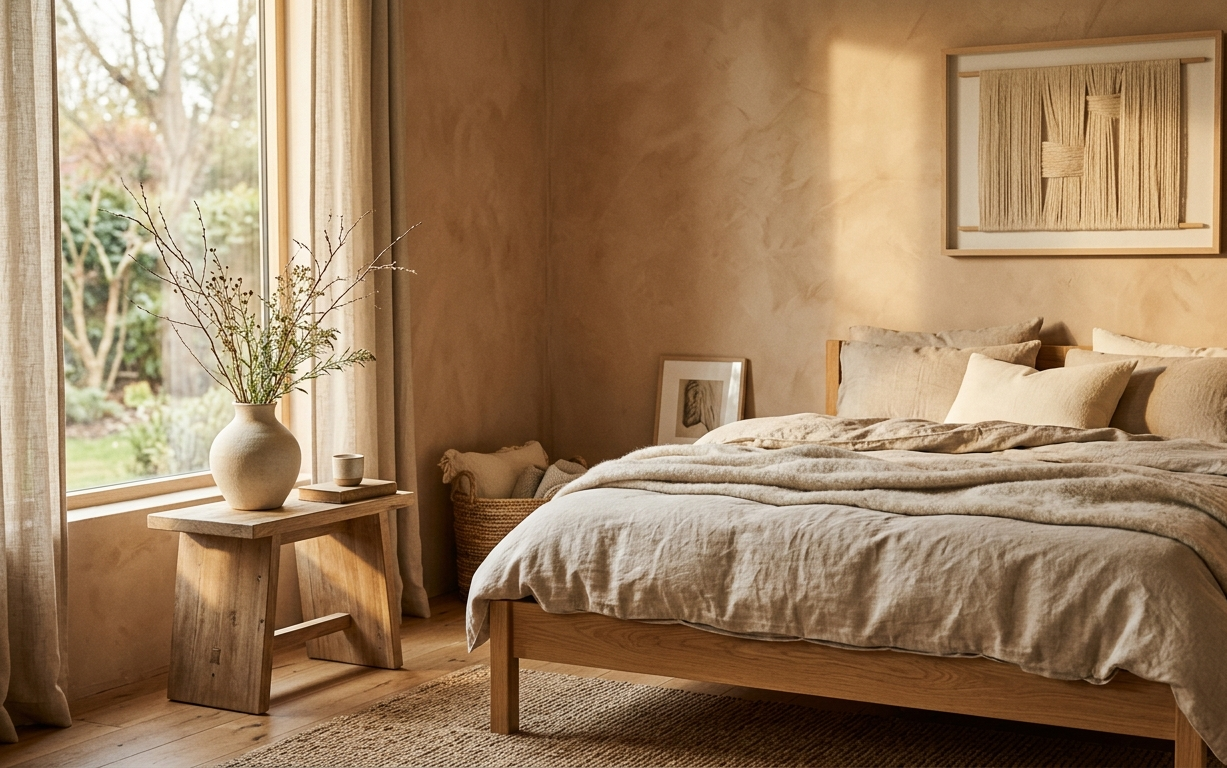
She had fallen into the classic minimalism trap. For years, mainstream interior design taught us that to achieve a clutter-free, intentional home, we had to sacrifice warmth. We were told that a stark white backdrop, cold chrome accents, and polished concrete floors were the gold standard.
Enter Soft Minimalism—an evolution of design that marries the clean, intentional spatial flow of traditional minimalism with the comforting, tactile elements of organic modernism. The secret weapon to pulling off this look lies entirely in your color choices. By trading harsh, blue-undertone whites for a carefully curated warm minimalist color palette, you can create a sanctuary that feels both impeccably styled and deeply inviting.
Core Principles of Soft Minimalist Design
Achieving this look requires a shift in how you view space and composition. It’s not just about what you take out of a room; it’s about the intention behind what you leave in. When I consult with clients, I always emphasize three foundational pillars:
1. Master the Art of Textural Contrast
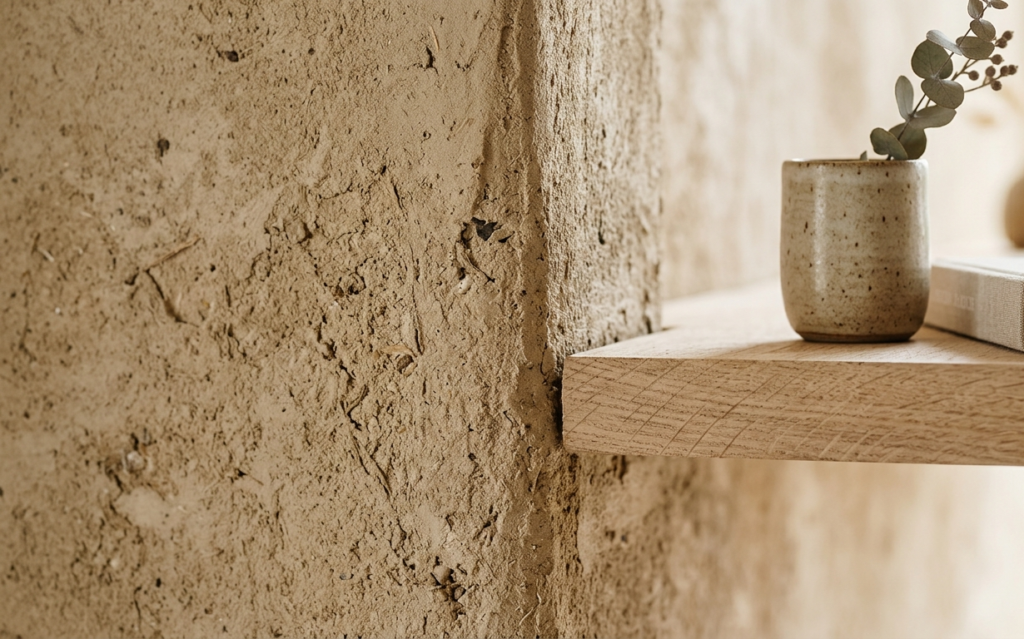
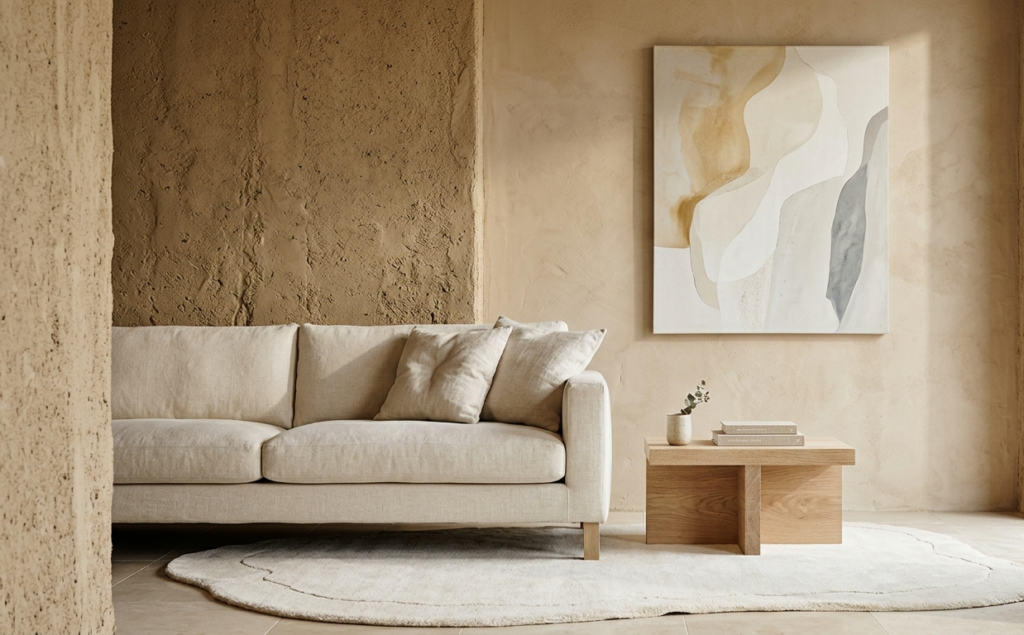
When you working with a restrained color palette, texture becomes your primary design language. Without a variety of tactile surfaces, a neutral room will inevitably fall flat. To create depth and visual interest, you must layer different materials against one another. Think of pairing a rough, hand-troweled lime wash wall with a smooth, matte travertine coffee table, then softening both with a heavy, slubby linen drapery. This interplay of surfaces keeps the eye moving and creates an inviting sensory experience.
2. Establish a Grounded Spatial Flow
A successful warm minimalist home relies heavily on its spatial flow. Furniture should never be pushed flat against every wall. Instead, allow pieces to “breathe” by leaving ample negative space around them. This creates a sense of airy lightness. Choose low-profile furniture that maintains clear sightlines across the room, which naturally reduces visual anxiety and promotes a feeling of serene expansiveness.
3. Create Quiet Focal Points
In a maximalist room, a vibrant gallery wall or an eclectic wallpaper might grab your attention. In soft minimalism, your focal point should be subtle yet impactful. It could be a single, large-scale piece of abstract art in earthy tones, a beautifully sculptural armchair, or a spectacular architectural feature like a minimalist plaster fireplace. By limiting the number of items competing for attention, you give the mind a dedicated place to rest.
5 Warm Minimalist Color Palettes That Don’t Feel Sterile
Selecting the right paint colors and material tones is the most critical step in this process. The key is to completely banish any colors with cool blue, gray, or green undertones. Instead, we look for shades infused with yellow, red, pink, and brown bases.
Here are 5 expertly curated color palettes, complete with Hex codes, to help you bring this look into your own home.
Palette 1: The Organic Earth & Clay Sanctuary
This palette draws its inspiration directly from desert landscapes, raw earthenware, and sun-baked terracotta. It is incredibly grounding and works beautifully in rooms that receive abundant natural afternoon sunlight.
- Alabaster White (
#F2EFE9): A soft, forgiving base coat that replaces stark white. - Warm Ochre (
#D4A373): A muted, golden-earth tone that adds an instant sun-kissed glow. - Terracotta Clay (
#B57C5B): A rich, desaturated rust that brings depth and an organic warmth. - Smoked Umber (
#5C4D43): A deep, muddy charcoal-brown used sparingly for grounding accents.
How to implement: Use Alabaster White on the walls and ceiling to create a seamless, expansive envelope. Introduce the Terracotta Clay through linen throw pillows or a large ceramic vase. Use Smoked Umber for the legs of your furniture or a minimalist light fixture to anchors the room’s composition.
Palette 2: The Soft Cashmere & Oat Oasis
If your goal is to create a space that feels like a luxurious, high-end spa, this is your palette. It relies heavily on very close tonal variations of cream, beige, and taupe to create a sophisticated, cloud-like environment.
- Crushed Oats (
#EAE3D2): A rich, creamy neutral with a strong yellow-beige undertone. - Toasted Almond (
#D2C4B1): A mid-tone greige that perfectly balances gray and beige without ever feeling cold. - Soft Cashmere (
#B8A893): A luxurious, velvety taupe that adds elegant depth. - Espresso Roast (
#3D342E): A near-black brown used strictly for high-contrast details.
How to implement: This palette thrives on a monolithic look. Paint both your walls and your baseboards in Crushed Oats using a flat or matte finish. Layer a large, plush wool area rug in Toasted Almond, and introduce a stunning accent chair upholstered in a heavy Soft Cashmere bouclé fabric.
Palette 3: The Japandi Olive & Timber Retreat
This palette bridges the gap between warm minimalist neutrals and nature-inspired color. It introduces a very muted, earthy olive green that acts as a neutral itself, bringing the calming essence of the outdoors inside.
- Steamed Rice (
#F5F2EB): A clean, bright white with just a touch of warmth to prevent glare. - Bleached Oak (
#E3DEC3): A soft, pale tan that mimics the natural color of raw wood. - Muted Olive (
#7A846E): A dusty, sage-adjacent olive that feels serene and grounded. - Ancient Charcoal (
#2F3330): A soft, organic black with distinct green undertones.
How to implement: Keep your walls bright with Steamed Rice. Introduce Bleached Oak through your flooring and cabinetry. Use Muted Olive for your accent textiles, such as washed linen bedding or floor-to-ceiling drapes, and anchor the space with an Ancient Charcoal minimalist coffee table or matte hardware.
Palette 4: The Sun-Drenched Travertine & Blush Sophistication
Don’t be afraid of pink! When properly desaturated, a warm blush or terracotta-tinted nude can act as the ultimate sophisticated neutral, adding an incredible softness and a romantic, welcoming glow to a home.
- Travertine Cream (
#F7F4EB): A bright, luminous cream inspired by classic Italian stone. - Desert Rose Nude (
#E3C7BA): A highly muted, dusty pink-beige that adds warmth without feeling overly feminine. - Warm Sand (
#C2B29F): A timeless, gritty neutral that provides excellent mid-tone balance. - Burnt Sienna (
#8C5E47): A deep, leathery brown that injects a touch of vintage luxury.
How to implement: Use Travertine Cream on the walls to maximize light reflection. Introduce Desert Rose Nude on a large-scale structural element, such as a plastered accent wall or a custom sectional sofa. Pair with warm sand rugs and beautiful accents of cognac leather or Burnt Sienna wood.
Palette 5: The Moody Amber & Walnut Sanctuary
For those who prefer a cozier, more intimate aesthetic, this palette leans into deeper, richer tones while keeping the clutter-free, clean lines of minimalist design fully intact. It is perfect for dens, bedrooms, or homes located in colder climates.
- Parchment Skin (
#EFECE1): A soft, antique white that provides a gentle contrast to dark woods. - Raw Amber (
#C59B6D): A beautiful, caramelized honey tone that captures and reflects light elegantly. - Rich Walnut (
#594333): A classic, mid-century inspired dark brown with deep, golden veins. - Cast Iron (
#2B2826): A warm, soft black that feels substantive and permanent.
How to implement: Paint the walls in Parchment Skin to keep the space from feeling like a dark cave. Source high-quality, statement furniture pieces crafted from solid Rich Walnut. Bring in the Raw Amber through blown-glass lighting fixtures, velvet accent pillows, or sculptural ceramics, and use Cast Iron for architectural hardware or window frames.
Deep Dive: Selecting Textures, Paints, and Fabrics
An incredible color palette on paper can still fail in real life if it isn’t executed with the right materials. To truly elevate your warm minimalist color palette, you must understand the interplay of finishes and fabric weaves.
The Magic of Lime Wash and Plaster Finishes
Standard latex paint in an eggshell finish can sometimes look flat and synthetic. If you want to take your soft minimalism to the next level, I highly recommend exploring lime wash or micro-cement plaster finishes. These products are made from natural limestone and clay, and when applied with a wide block brush, they create subtle, cloud-like variations in color. It gives your walls an old-world, tactile depth that changes beautifully throughout the day as the sun moves across the room.
Choosing the Right Fabric Weaves
When selecting furniture upholstery, stay far away from shiny, tightly woven synthetic polyesters. Instead, opt for fabrics with a visible, irregular weave:
- Belgian Linen: The absolute king of soft minimalism. It has a natural slouchiness, an exquisite matte texture, and a beautiful drape that looks best when it’s slightly wrinkled.
- Bouclé: This looped, curly wool fabric has been a darling of the interior design world for years, and for good reason. It adds instant warmth and an irresistible, cloud-like softness to modern, clean-lined sofas.
- Nubby Tweeds and Wool Blends: Perfect for adding a tailored, menswear-inspired touch to minimalist armchairs.
Wood and Stone Selection
To keep your space feeling organic, always choose matte, low-sheen finishes for your wood and stone elements. Look for woods like White Oak, Ash, Walnut, and Elm with a clear matte sealer rather than a high-gloss yellow polyurethane. For stone, step away from polished, heavily veined Carrara marble and embrace the earthy, pitted surfaces of Travertine, Limestone, and honed Soapstone.
“The Curator’s Choice” Section
To successfully pull off a minimalist look, you must stop shopping for “filler” decor and start curating investment-worthy statement pieces. Here are 5 essential types of furniture and accessories that I consistently source for my soft minimalist projects:
1. The Sculptural, Low-Profile Sofa
The anchor of your living room should be a piece of art in its own right. Look for sofas that feature soft, rounded edges, organic curves, and sit low to the ground. A curved sofa naturally breaks up the harsh, boxy lines of standard square rooms and invites people to sit down and relax.
- Designer Tip: Look for pieces upholstered in an off-white, oat, or light taupe bouclé or heavy linen blend.
2. The Matte Travertine Coffee Table
Instead of a glass or shiny metal coffee table, a monolithic stone table crafted from honed travertine or limestone brings a magnificent architectural weight to a seating arrangement. The natural, porous holes and pits in travertine provide that crucial textural contrast we need against soft fabrics.
3. Oversized, Hand-Thrown Ceramic Vases
Nothing embodies the spirit of Wabi-Sabi quite like raw, hand-crafted ceramics. Instead of filling your shelves with dozens of tiny knick-knacks, purchase one or two massive, beautifully imperfect ceramic vessels. Leave them completely empty, or style them simply with a few dried branches (like eucalyptus, olivillo, or ginkgo).
4. Statement Low-Sheen Wood Lighting
Lighting is the jewelry of the home. For a warm minimalist aesthetic, choose fixtures crafted from natural materials. A large pendant light featuring a shade made of bent oak veneer, hand-woven raffia, or a simple matte plaster dome will diffuse light softly across the room while acting as an incredible visual focal point during the day.
5. High-Quality, Un-Dyed Wool Rugs
Your rug should act as the cozy canvas that ties your entire room together. I always steer my clients toward rugs made from 100% natural, un-dyed wool. These rugs feature beautiful, organic variations in cream, grey, and brown tones that come directly from the sheep’s wool itself. Look for high-pile, plush textures or flat-woven geometric reliefs that add dimension without relying on loud patterns.
Room-by-Room Application of Soft Minimalism
Now that we understand the palettes and the materials, let’s walk through how to execute this stunning aesthetic across the three main living areas of your home.
The Warm Minimalist Living Room
In the living room, your primary objective is to create a welcoming conversational area focused on relaxation.
Start by painting your walls in a glowing neutral like Alabaster White or Crushed Oats. Float a luxurious, low-profile sectional away from the walls to establish a generous spatial flow. Center the seating around a matte stone coffee table, and layer a plush, thick-pile wool rug underneath.
Hide all unnecessary electronic clutter inside a sleek, floating wood media console that matches the wood species of your side tables. For window treatments, install floor-to-ceiling linen drapes hung on a hidden track. Allow the drapes to gently puddle on the floor by an inch to emphasize a relaxed, casual luxury.
The Serene Minimalist Bedroom
The bedroom should be the ultimate personal sanctuary—a place completely stripped of mental distractions.
I love using a monochromatic approach here, leaning heavily into Palette 2 (Soft Cashmere & Oat Oasis) or Palette 4 (Desert Rose Nude). Invest in a custom-upholstered fabric bed frame or a clean-lined oak platform bed. Skip the stiff, perfectly ironed top sheets and embrace the laid-back beauty of washed Belgian linen bedding in tones of oatmeal, cream, and soft terracotta.
Keep your nightstands completely clear of clutter, saving space only for a beautifully designed matte ceramic task lamp. Instead of a busy gallery wall, hang a single, large-scale canvas featuring a textured, minimalist plaster painting directly above the headboard.
The Functional, Clean Minimalist Kitchen
Kitchens can easily feel sterile due to the sheer volume of stainless steel appliances and hard surfaces. To soften this space, we rely on beautiful cabinetry wood tones and thoughtful integrated design.
Trade out stark white shaker cabinets for flat-panel, handleless cabinetry in a warm Bleached Oak or a beautiful painted beige lacquer with a ultra-matte finish. Extend your countertop material—ideally a honed, low-vein quartzite or limestone—up the wall to create a seamless slab backsplash.
Hide small appliances away in a dedicated appliance garage to keep your counter spaces entirely clear. Finally, introduce warmth by styling your island with a large, hand-carved wood fruit bowl, a few artisanal ceramic mugs on an open shelf, and beautiful brushed brass or blackened bronze hardware that patinas gracefully over time.
You might also enjoy:
- The Magic of Color: Ultimate Accent Wall Guide
- The Truth About Washable Rugs: Worth the Money?
- Cozy Vibes: Best Winter Sofa Styling Textures
Pros and Cons of Soft Minimalism: Visual vs. Functional
While I am deeply passionate about this design style, I always believe in giving my readers a transparent, realistic look at how a design style functions in day-to-day life.
The Pros
- Timeless Visual Longevity: Because this style rejects trendy, bright accent colors and overly ornate furniture, it rarely goes out of style. It is an investment that will look sophisticated for decades.
- Enhanced Mental Well-being: A clutter-free home with a cohesive, warm color palette acts as a powerful antidote to daily stress. It promotes clarity, calm, and mindfulness.
- Enhanced Light Reflection: Warm, light-toned neutrals maximize both natural and artificial light, making small or dark rooms feel substantially larger and airier than they actually are.
The Cons & Maintenance Realities
- Vulnerability to Stains: Light fabrics like bouclé, linen, and un-dyed wool require careful upkeep. If you have young children or pets, you will need to invest in performance fabrics treated with stain-resistant technology.
- The Dust Factor on Empty Surfaces: Because minimalism champions open, negative space, dust can become more visually apparent on empty surfaces like sideboards or coffee tables compared to spaces packed with clutter.
- Requires Strict Storage Discipline: To maintain this look, you must have excellent hidden storage solutions. If you don’t have the discipline to put things back in their drawers or closets, the minimalist illusion can quickly fall apart.
Conclusion: Crafting Your Personal Sanctuary
At its core, soft minimalism is not about living with less just for the sake of a rigid rulebook. It’s about clearing away the visual noise so that you can fully appreciate the true beauty of your surroundings, the warmth of natural materials, and the people who inhabit your home. By embracing a warm minimalist color palette, you can easily craft a space that feels deeply curated, sophisticated, and wonderfully cozy all at once.
💡 Expert Tip from My Design Studio
Before you commit to painting an entire room, always buy a sample pot and paint a large (2ft X 2ft) piece of drywall or foam board. Place it in the room you intend to paint and watch how the color shifts at 8:00 AM, 2:00 PM, and 8:00 PM under your artificial lighting. A warm beige that looks heavenly in a south-facing showroom can sometimes turn surprisingly yellow or pink in a north-facing bedroom!