
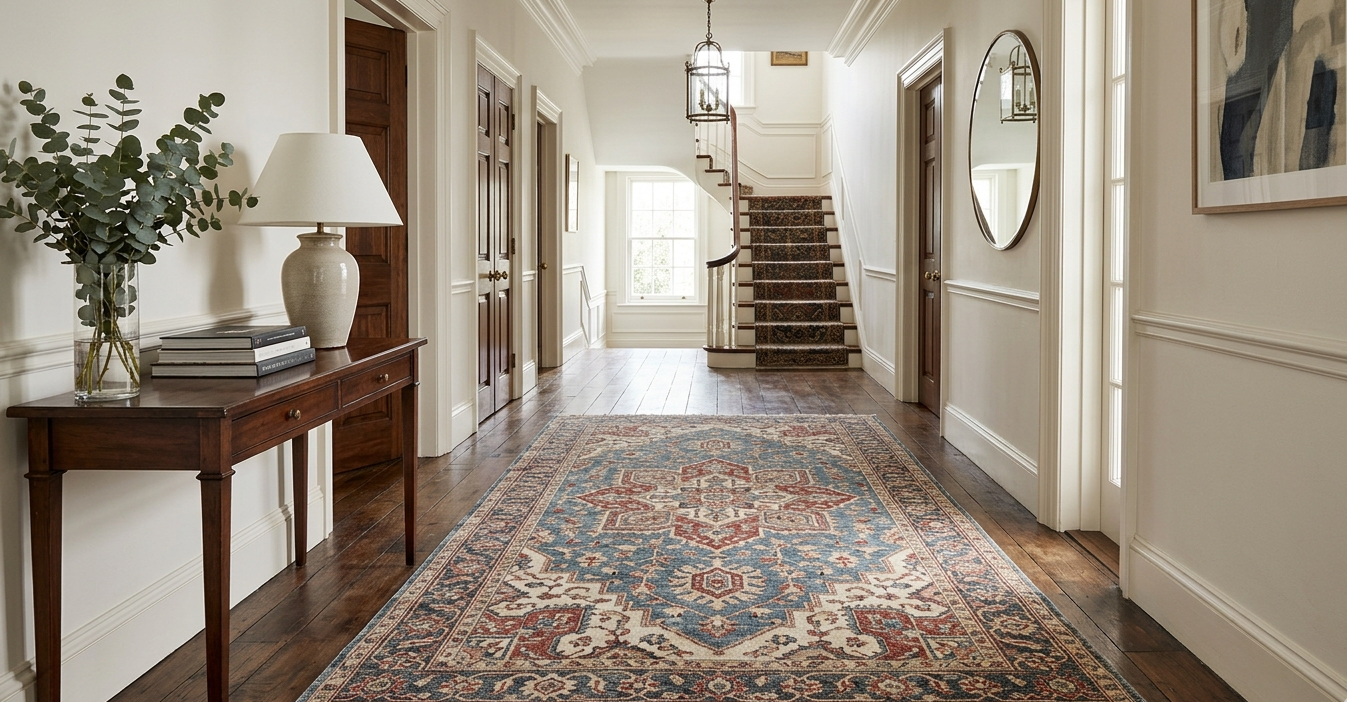
For a long time, the term “washable rug” was synonymous with thin, rubber-backed mats found in laundry rooms. They were functional, yes, but they lacked the soul and textural contrast required for high-end residential design. However, the industry has shifted. Today, we are looking at a landscape where washable rugs vs traditional rugs: which is better for high traffic areas is no longer a simple question of durability, but one of lifestyle philosophy.
The Anatomy of High-Traffic Design
When I evaluate a space, the floor is my canvas. In high-traffic areas like the foyer or the living room, the rug serves as the focal point that anchors every other element. Traditional rugs—think wool, silk, or jute—offer a historical depth and a natural feel that is hard to replicate. However, they come with a high maintenance tax.
Material Science: Beyond the Surface
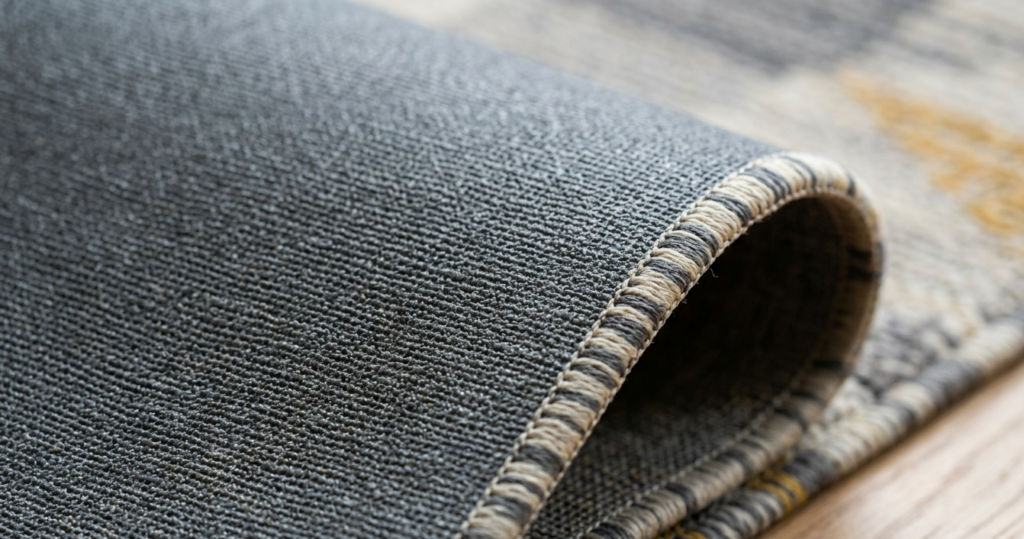
The primary difference in the washable rugs vs traditional rugs debate lies in the fiber. Traditional rugs often use protein-based fibers like wool or plant-based fibers like cotton and jute. These fibers are absorbent; when a spill occurs, the liquid travels into the core of the fiber. Washable rugs, however, are typically engineered from advanced polyesters or “chenille” synthetics that are non-porous. This means the stain sits on the surface, waiting to be whisked away in a standard 12-lb capacity washing machine.
Deep Dive: Textures, Color Palettes, and Fabric Choices
One of the most frequent questions I get is: “Won’t it look cheap?” The answer depends entirely on your eye for textural contrast. I’ve found that the best washable rugs use a “printed weave” technique that mimics the erratic, organic look of vintage Turkish rugs.
Curating the Perfect Palette
Color psychology plays a massive role in how we perceive a room’s volume. For a sophisticated “Smart Renovation” look, I suggest moving away from stark whites and leaning into “Muted Organics.” Here are my top four recommendations with Hex codes to guide your furniture selection:
- Olive Grove (#8e9775): A grounded, earthy tone that brings a sense of calm to busy foyers.
- Warm Sand (#e2d1c3): The ultimate neutral for achieving a soft, airy Japandi aesthetic.
- Slate Blue (#6d8299): Provides a cool, sophisticated anchor for modern-industrial living rooms.
- Iron Ore (#4a4a4a): A deep, high-contrast choice that hides almost any daily wear and tear.
Using these tones allows you to create a spatial flow that feels grounded. A “Warm Sand” washable rug in a living room paired with “Iron Ore” accents creates a modern look that is still incredibly forgiving.
The Fabric Spectrum
When selecting a washable rug, you’ll encounter three main types of fabric constructions:
- The Chenille Flatweave: This is the “gold standard” for washables. It’s soft to the touch but has a very low profile. In my experience, this is the best choice for under dining tables where chairs need to slide easily.
- The Plush Pile: A newer innovation that mimics the feel of a traditional shag. While cozy for bedrooms, be aware that these take longer to dry and may require a larger washing machine.
- Outdoor-Indoor Hybrids: Often made of UV-treated polyester. These are virtually indestructible but lack the “softness” of interior-specific rugs.
You might also enjoy:
- The Magic of Color: Ultimate Accent Wall Guide
- Cozy Vibes: Best Winter Sofa Styling Textures
- Gallery Walls Made Easy: Creative Layout Ideas
The Curator’s Choice: 5 Essential Style Companions
A rug never stands alone. To make a washable rug look like a high-end designer choice, you must pair it with the right accessories. Here is my curated list for this season:
- The Dual-Surface Rug Pad: Washable rugs are inherently thinner. A 1/4-inch felt and rubber pad adds the “squish” factor that makes a home feel expensive.
- Matte Brass Floor Lamps: The warm metallic finish of brass pulls the gold and tan tones out of a printed rug, making the patterns “pop”.
- Velvet Oversized Poufs: Placing a high-texture velvet pouf on a low-pile washable rug creates a beautiful textural contrast.
- Ceramic Side Tables: The heavy, solid presence of ceramic balances the lightweight nature of a washable rug.
- Hand-Woven Throw Blankets: Drape a chunky wool throw over your sofa to reintroduce the natural fibers that a washable rug might be missing.
Room-by-Room Application
The Living Room: Anchor and Flow
In the living room, size is everything. I always tell my clients: “Go big or go home.” A common mistake is buying a rug that’s too small, which makes the room look fragmented. For high traffic areas, a 9×12 washable rug allows you to anchor all your furniture while knowing that the inevitable Friday night popcorn spill is just a wash cycle away. It maintains the visual harmony without the stress.
The Kitchen: The Heart’s Runner
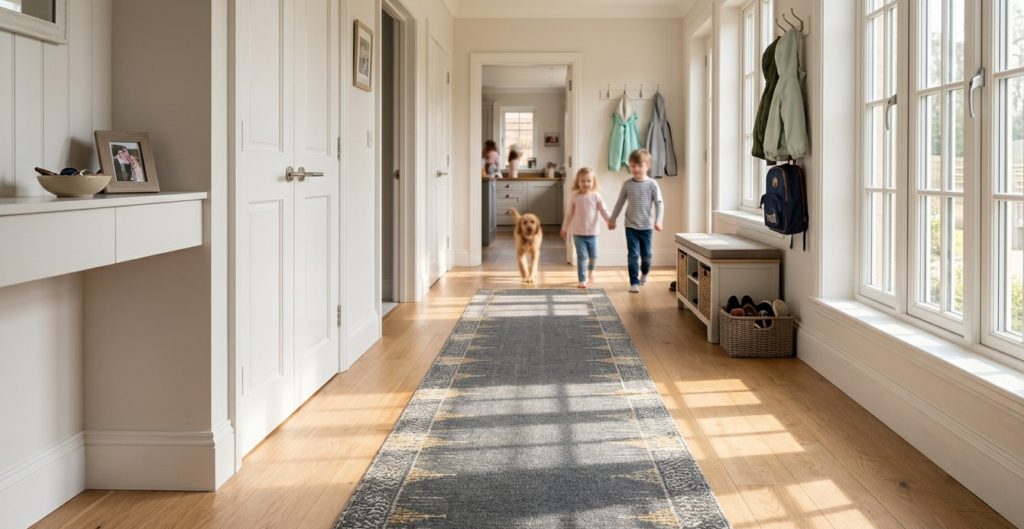
Kitchens are the “danger zone” for traditional rugs. Steam, grease, and dropped ingredients are part of the daily routine. A washable runner in a “Slate Blue” or “Iron Ore” pattern provides a soft spot to stand while cooking and can be tossed in the wash every Sunday evening to keep the space hygienic and fresh.
The Bedroom: A Clean Sanctuary
We spend a third of our lives in the bedroom. Traditional rugs can trap dust and allergens over time. A washable rug here—specifically a “Plush Pile” version—offers the luxury of a soft landing for your feet every morning, with the ability to deep-clean the entire piece every few months. This is functional styling at its best.
The Pros and Cons: A Designer’s Honest Take
| The Pros | The Cons |
| Longevity of Look: You can maintain the “new” look for years by removing deep-set dirt. | Visual Depth: They can lack the 3D “relief” and pile variation found in hand-tufted rugs. |
| Cost-Effective: Generally more affordable than hand-knotted wool, allowing for seasonal updates. | The “Crease” Factor: Larger rugs can sometimes develop temporary creases after a wash that take a day or two to settle. |
| Hypoallergenic: Frequent washing reduces dust mite buildup compared to deep-pile traditional rugs. | Weight Limitations: Very large sizes (10×14+) may not fit in standard home washers. |
Conclusion: Making the Right Choice for Your Home
The “Truth” about washable rugs is that they have earned their place in the high-end designer’s toolkit. They aren’t just a compromise; they are a strategic choice for the modern, busy household. When considering washable rugs vs traditional rugs: which is better for high traffic areas, the answer is clear: if your home is a place of movement, pets, and laughter, the washable rug is an unbeatable investment in your peace of mind.
Expert Tip: Always air-dry your washable rugs or use a “no heat” setting. High heat can damage the synthetic fibers and the non-slip backing, causing the rug to lose its spatial flow and structural integrity.