
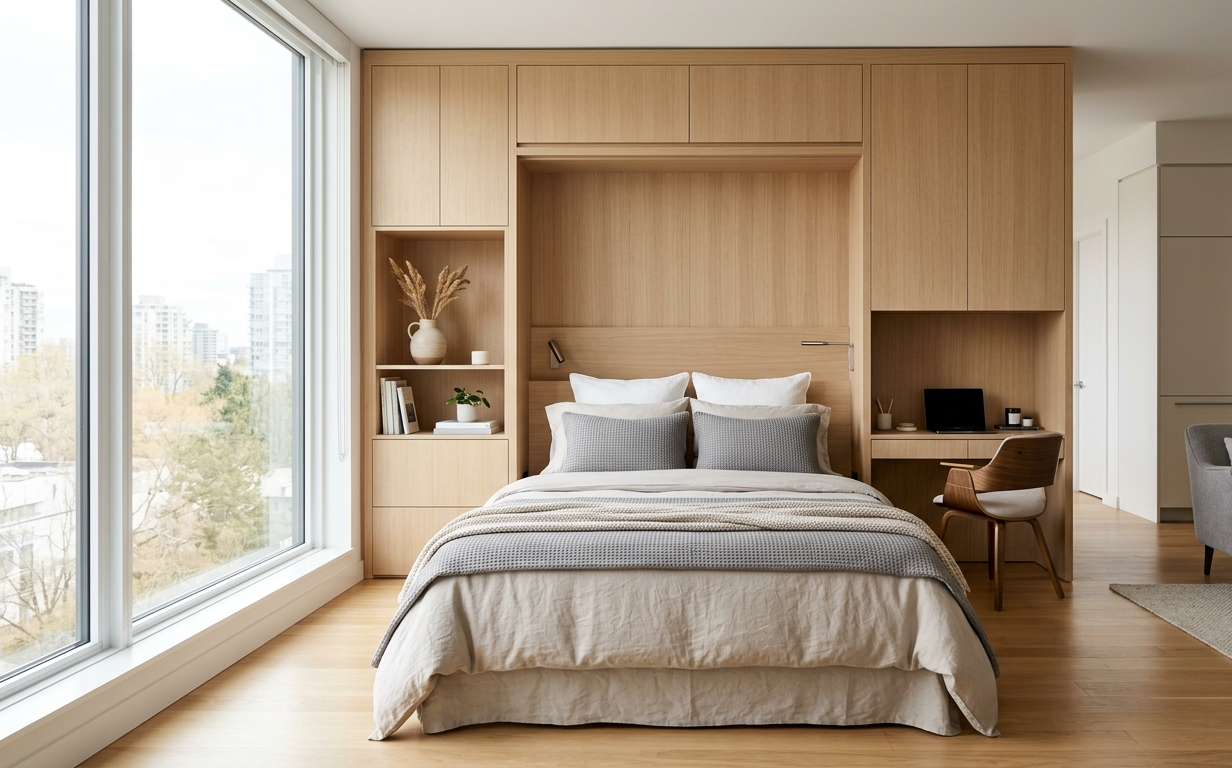
From Practical Invention to High-End Luxury: A Quick History
To truly appreciate how far these systems have come, it helps to understand their origins. Invented by William Lawrence Murphy around the turn of the 20th century, the original wall bed was born out of a desire for romantic flexibility. Living in a modest one-room apartment in San Francisco, Murphy wanted to court a young opera singer. However, societal mores of the Victorian era strictly dictated that a gentleman could not entertain a woman in a room containing a visible bed.
Murphy’s clever mechanism allowed his bed to flip seamlessly into a closet, instantly transforming his bedroom into a proper parlor.
For decades, the design remained purely utilitarian—often relegated to cheap motels, tiny studio apartments, or comedy tropes in old black-and-white films. But over the last fifteen years, a massive shift has occurred within the residential interior design industry.
As urban living spaces became more compact and the demand for flexible, multi-functional homes skyrocketed, luxury furniture designers stepped in. They replaced heavy, hazardous springs with fluid gas-piston mechanics. They traded flimsy, faux-wood finishes for exquisite hardwoods, soft-touch matte lacquers, and architectural moldings.
Today’s space saving Murphy beds are celebrated key elements of modern minimalism, mid-century modern design, and refined Scandinavian aesthetics.
Key Design Elements of the Modern Space Saving Murphy Bed
When integrating a wall bed into a home, it must be approached as a foundational design element. It is often the largest single visual entity in the room when closed. Therefore, it needs to establish a clear focal point that elevates the surrounding environment.
In my experience, a successful installation relies on three pillars of visual harmony:
1. Seamless Architectural Integration
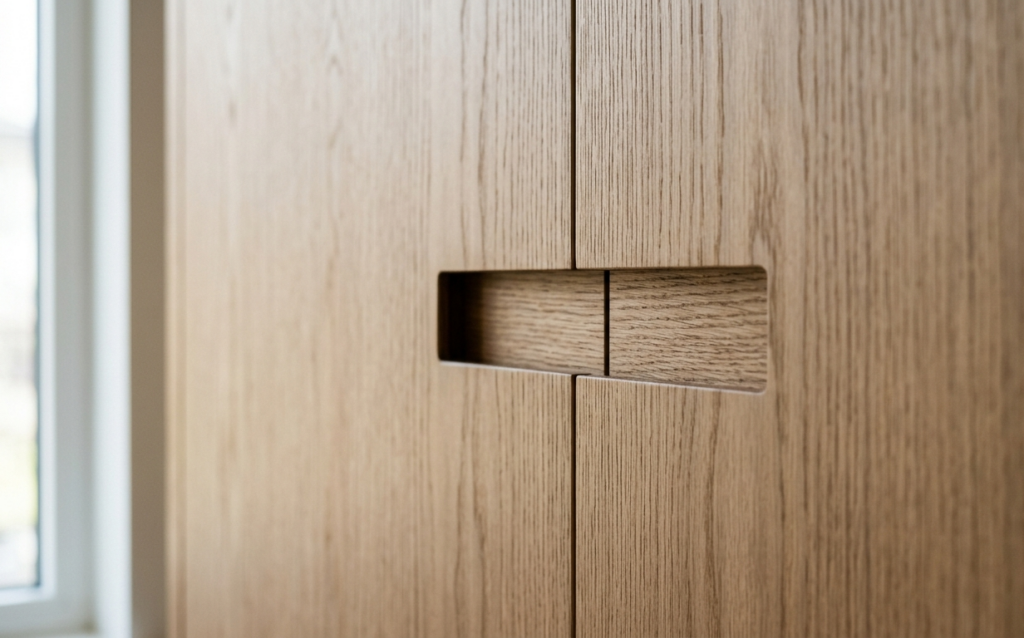
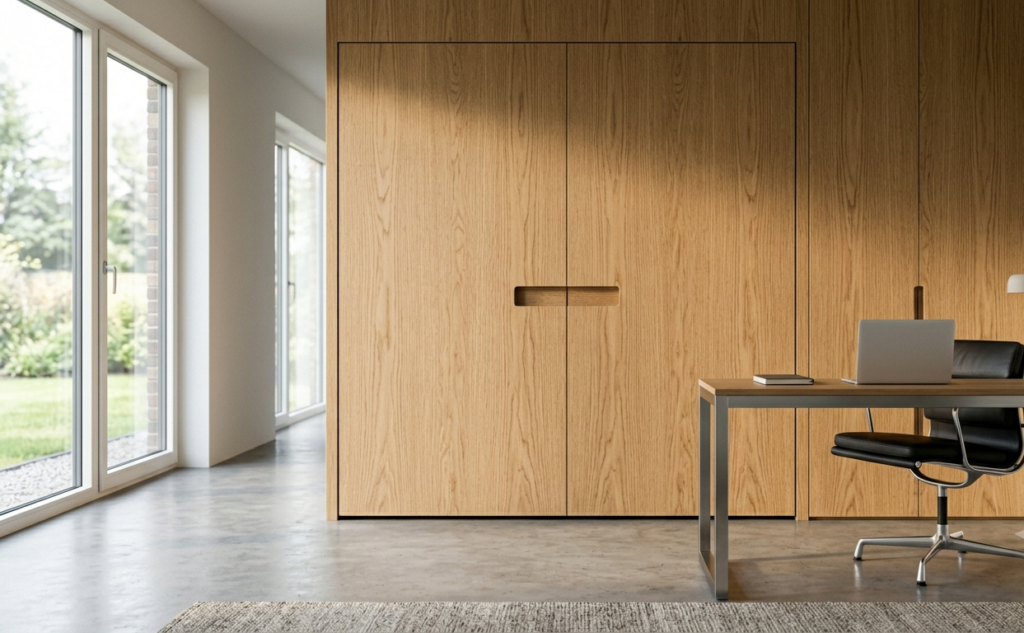
The absolute best wall beds are the ones you do not realize are there. Modern designs utilize beautiful paneling that mimics high-end millwork or custom built-in wardrobes. When folded up, the underside of the bed frame should appear as a pristine accent wall, complete with elegant hardware, subtle shadow lines, or integrated floating shelves that remain level even when the bed is pulled down.
2. Multi-Functional Form
The true genius of contemporary space saving Murphy beds lies in their dual-purpose capability. We are no longer limited to a simple vertical cabinet against a blank wall. Luxury options now seamlessly incorporate:
- Integrated deep-seated sofas that tuck neatly under the bed frame as it descends.
- Expansive executive desks that drop down horizontally, allowing your paperwork and computer to remain perfectly undisturbed beneath the mattress.
- Hidden media consoles and pivoting display shelves that swing out of the way effortlessly.
3. The Illusion of Lightness
Traditional wall beds felt heavy, dark, and imposing. Modern design counters this by raising the cabinetry slightly off the floor with recessed plinths, utilizing soft back-lighting, and using materials that gracefully catch and bounce natural daylight throughout the room.
How to Implement a Modern Wall Bed Into Your Existing Decor
Integrating a significant piece of furniture into an existing space requires a delicate balancing act to maintain proper visual weight and scale. You want the unit to feel like an intentional part of the architectural envelope, not an afterthought jammed against a wall.
First, look closely at the room’s sightlines. When you walk through the doorway, where does your eye naturally land? If you place the bed unit directly opposite the entrance, it will dominate the room. Instead, try positioning it on a side wall, allowing your main line of sight to rest on a beautiful window view, a stunning piece of art, or a comfortable seating arrangement.
Secondly, ensure that your surrounding furniture is intentionally lightweight and easy to reposition. I always recommend incorporating beautiful nesting coffee tables, lightweight accent chairs upholstered in luxurious textiles, or side tables on soft, hidden casters.
When it is time to lower the mattress for the night, transitioning the space should feel like an effortless, elegant ritual, rather than a frustrating chore of rearranging heavy furniture.
The Sensory Canvas: Textures, Colors, and Fabrics
This is where the magic truly happens. The way a space feels to the touch and how it interacts with color psychology dictates whether a multi-functional room feels like a soothing retreat or a chaotic workspace. Because a room with a Murphy bed serves multiple purposes, your material choices must be versatile, comforting, and visually rich.
The Color Palette: Finding Balance
When designing around space saving Murphy beds, the color story needs to anchor the large cabinet structure while keeping the rest of the room feeling airy and unrestricted. I love using a sophisticated, grounding neutral palette with subtle, warm undertones to achieve this.
Here is a designer-curated palette that works beautifully across both daytime and nighttime configurations:
- The Main Cabinet Structure (The Anchor): Use a rich, muted cream or a warm, sophisticated taupe.
- Designer Selection: Alabaster Warmth (
#F2EFE9) or Soft Mushroom (#D0C9BC). This ensures the large cabinet doesn’t feel overly heavy or imposing in a smaller room.
- Designer Selection: Alabaster Warmth (
- The Accent Panels / Nook Interior: A deeper tone tucked into the shelving or headboard area adds immense depth.
- Designer Selection: Smoked Eucalyptus (
#5A635B) or Warm Walnut (#4A3B32). This creates an enchanting, cozy cocooning effect when the bed is pulled open at night.
- Designer Selection: Smoked Eucalyptus (
- The Surrounding Walls: Keep them incredibly light and reflective to optimize the ambient lighting.
- Designer Selection: Pure & Simple White (
#FBFBFA) to keep the space feeling boundlessly open.
- Designer Selection: Pure & Simple White (
Material Choices: Embracing Wood and Matte Finishes
The surface material of your wall bed unit sets the entire stylistic tone for the room. High-gloss finishes can often look clinical or highlight fingerprints, whereas ultra-matte lacquers and authentic wood veneers bring an organic, grounded soul to the home.
I highly recommend sourcing light oak, bleached walnut, or ash woods. The visible, natural grain creates a beautiful textural contrast against smooth plastered walls.
If you are going for a more contemporary, minimalist look, choose flat-front panels finished in an ultra-matte, anti-fingerprint laminate. The way these velvety, matte surfaces absorb light creates a soft, calming atmosphere that is incredibly peaceful to look at during a stressful workday.
Fabric and Linens: Layering the Tactile Experience
Since your bed will be neatly tucked away during the day, the fabrics you choose for the bedding and the surrounding seating must perform beautifully under pressure while feeling absolutely heavenly when unveiled.
For the bedding, French linen is an absolute must. Linen is inherently texturized, meaning it looks effortlessly chic even if it gets a little rumpled while folded up inside the cabinet frame. It breathes beautifully and naturally regulates temperature, ensuring a deeply restful night’s sleep.
For the integrated sofa or nearby accent seating, embrace heavy, tactile fabrics like textured bouclé, flat-woven wool blends, or distressed performance velvets. These textiles instantly signal luxury and comfort, beautifully counteracting the straight, rigid lines of the wooden cabinet structure.
You might also enjoy:
- Solid Wood vs MDF Furniture: Is the Investment Worth It?
- Eco-Friendly Dreams: Best Non-Toxic Bed Frames
- Top 7 Modular Sofas for Small Spaces
Mastering the Glow: Strategic Lighting Design
Lighting is the secret sauce of interior design; it dictates the mood, alters our perception of space, and creates an emotional connection to a room. In a multi-functional space featuring a space saving Murphy bed, a single overhead light fixture is an absolute design crime. You need a beautifully layered lighting scheme that can transition seamlessly from a bright, productive workspace to a warm, ambient bedroom sanctuary.
Ambient Lighting
Start with a soft, dimmable architectural ceiling fixture or flush-mount that floods the entire room with a gentle, even glow. This provides your base layer of light for everyday movement and cleaning.
Task Lighting
Inside the custom cabinetry or directly above the integrated desk surface, install high-quality, concealed LED strip lighting with a warm color profile (around 2700K). This gives you focused, glare-free light exactly where you need it for reading, writing, or Zoom calls, without spilling harsh glare into the rest of the room.
Accent & Mood Lighting
This is where you can infuse the space with incredible style and character. I love installing gorgeous, low-profile brass or matte black reading sconces directly into the interior headboard panel of the Murphy bed. When the bed is lowered, these sconces turn on, casting a soft, romantic downlight that instantly signals to your brain that it is time to unwind and rest.
When the bed is closed, consider installing vertical LED channels along the outer sides of the cabinetry to wash the surrounding walls with a beautiful, sculptural glow that accentuates the room’s height.
The Curator’s Choice: Essential Accessories for the Modern Wall Bed Life
To elevate your multi-functional space from merely practical to genuinely luxurious, the surrounding accessories must be selected with the utmost care. Here are five designer-tested furniture pieces and styling elements that pair flawlessly with high-end space saving Murphy beds:
1. Multi-Directional Articulating Wall Sconces
A gorgeous, adjustable sconce mounted adjacent to the bed unit provides incredible flexibility. Look for sculptural pieces in brushed brass or matte powder-coated steel. During the day, you can aim the light down to illuminate a reading chair or an artwork display. At night, simply swing the arm over the lowered bed to serve as a stunning, space-saving nightstand lamp.
2. High-Texture, Low-Pile Performance Area Rugs
An area rug is essential for grounding your room’s seating or sleeping zone, but it must be functional. Choose a premium wool or durable synthetic blend rug with a very low pile but high textural variation (such as a subtle high-low geometric weave). This gives you all the acoustic warmth and luxurious underfoot feel you crave, without creating any unwanted friction or catching when lowering the bed frame over it.
3. Nesting and Organic-Shaped Coffee Tables
When transitioning your room for the evening, heavy, blocky furniture is your worst enemy. Instead, opt for a pair of exquisite, nesting cocktail tables made from elegant materials like travertine, fluted oak, or cast glass. They add gorgeous visual interest to the room during the day and can be quickly and effortlessly nested together in a corner at night to make room for the bed.
4. Sculptural Floating Ledge Shelving
Instead of bulky, traditional nightstands that crowd the floor, install sleek, architectural wood or metal floating ledges directly inside the bed cavity or on the immediate flanking walls. They provide just enough surface area for a glass of water, a favorite book, and your phone, keeping the floor entirely clear and maintaining a beautiful, unimpeded spatial flow.
5. Tailored Linen Storage Poufs and Ottomans
An elegant, upholstered storage ottoman is a multi-functional powerhouse. It serves as comfortable extra seating when hosting friends, acts as a footrest during movie nights, and opens up to neatly store your extra decorative pillows or duvet insert when the bed is zipped up for the day. Look for rich bouclé fabrics or structural top-grain leathers to bring another layer of luxury into the space.
Room-by-Room Application: Maximizing Every Square Foot
Every area of the home possesses its own distinct personality, energy, and functional requirements. Here is how you can use a modern wall bed to unlock the absolute highest potential of three key rooms:
The Living Room: The Ultimate Secret Guest Suite
For many homeowners, dedicating an entire extra room exclusively to an occasional guest bedroom is an expensive luxury they simply cannot afford. By integrating a sophisticated space saving Murphy bed into your main living area, you create a double-duty haven.
I love designing these with a custom-fitted sofa running along the front of the closed unit. During the day, it serves as your primary, super-comfortable family lounging area.
When guests stay over, the back cushions are removed, and the bed lowers smoothly right over the sofa base. Your guests are treated to a genuine, high-comfort mattress, completely avoiding the backaches and deflating misery of old-school pull-out couches or air mattresses.
The Bedroom: Crafting a Dynamic Oasis
Even in a primary bedroom, a wall bed can offer incredible lifestyle freedom. If you live in a compact city apartment, keeping a massive queen or king bed exposed all day long completely consumes the room, leaving no space for anything else.
By implementing a vertical wall bed system flanked by elegant, mirrored wardrobes, your bedroom can effortlessly transform during the daytime. Fold the bed away to reveal a wide-open floor plan perfect for morning meditation, a private yoga session, an art studio space, or an airy home office. It allows your bedroom to become a true sanctuary for all your personal passions, rather than a space solely reserved for sleeping.
The Kitchen: The Modern Pivot (Studio Living)
In ultra-compact loft spaces or micro-apartments, the kitchen and sleeping quarters often look directly at one another. This layout can feel disjointed and uninviting.
To solve this, I love using a horizontal Murphy bed configuration integrated into a sleek run of custom cabinetry that matches the kitchen island or pantry finish.
By utilizing identical wood species, cabinet hardware, and minimalist design details, the bed cabinet looks exactly like an elegant, extended kitchen storage wall or a sophisticated bar setup during the day. This completely blurs the line between utility and rest, maintaining a pristine, unified visual narrative throughout the entire apartment.
Weighing the Scales: Pros and Cons of Modern Wall Beds
Every single design choice involves an edit—a thoughtful balance between visual style, daily lifestyle habits, and maintenance. To help you decide if a modern wall bed aligns with your unique home vision, let’s look at the functional realities honestly:
| Design & Functional Advantages (Pros) | Lifestyle & Maintenance Considerations (Cons) |
| Unrivaled Spatial Liberation: Instantly reclaims up to 35-40 square feet of precious floor space during your active daytime hours. | The Ritual of Daily Transition: Requires a consistent commitment to making the bed and clearing the immediate floor space every morning and evening. |
| Flawless Design Continuity: Functions beautifully as a stunning architectural focal point, mimicking luxury custom cabinetry. | Fixed Furniture Placement: Once installed, the unit becomes a permanent architectural fixture that cannot be easily rearranged on a whim. |
| True, Uncompromising Comfort: Accommodates high-end, thick residential mattresses, completely outperforming uncomfortable sofa beds. | Styling Boundaries: Decorative items on the main bed panels must be kept minimal, lightweight, or securely fastened down. |
| Multi-Functional Powerhouse: Fuses multiple rooms into one cohesive space (e.g., home office, fitness area, guest room). | Initial Layout Discipline: Demands highly intentional surrounding furniture choices that are lightweight or easily moved. |
Conclusion: Designing Your Boundless Home
The homes we inhabit should never limit our potential; they should expand it. Choosing a modern, space saving Murphy bed is a powerful declaration that you refuse to let square footage dictate the richness of your daily life. It is an investment in beautiful aesthetics, smart functionality, and the sheer joy of living in a home that adapts perfectly to you.
💡 Expert Design Tip
When shopping for your modern wall bed, always choose a unit that utilizes a high-quality gas-piston mechanism rather than old-fashioned spring systems. Gas-piston counterbalances offer incredibly smooth, whisper-quiet operation, allowing you to lower or lift the bed with the touch of a single finger. Additionally, ensure the cabinet depth is at least 16 to 18 inches—this allows enough internal clearance to leave your plush pillows and cozy duvet fully dressed on the bed when it is folded up, saving you precious time every single day.