
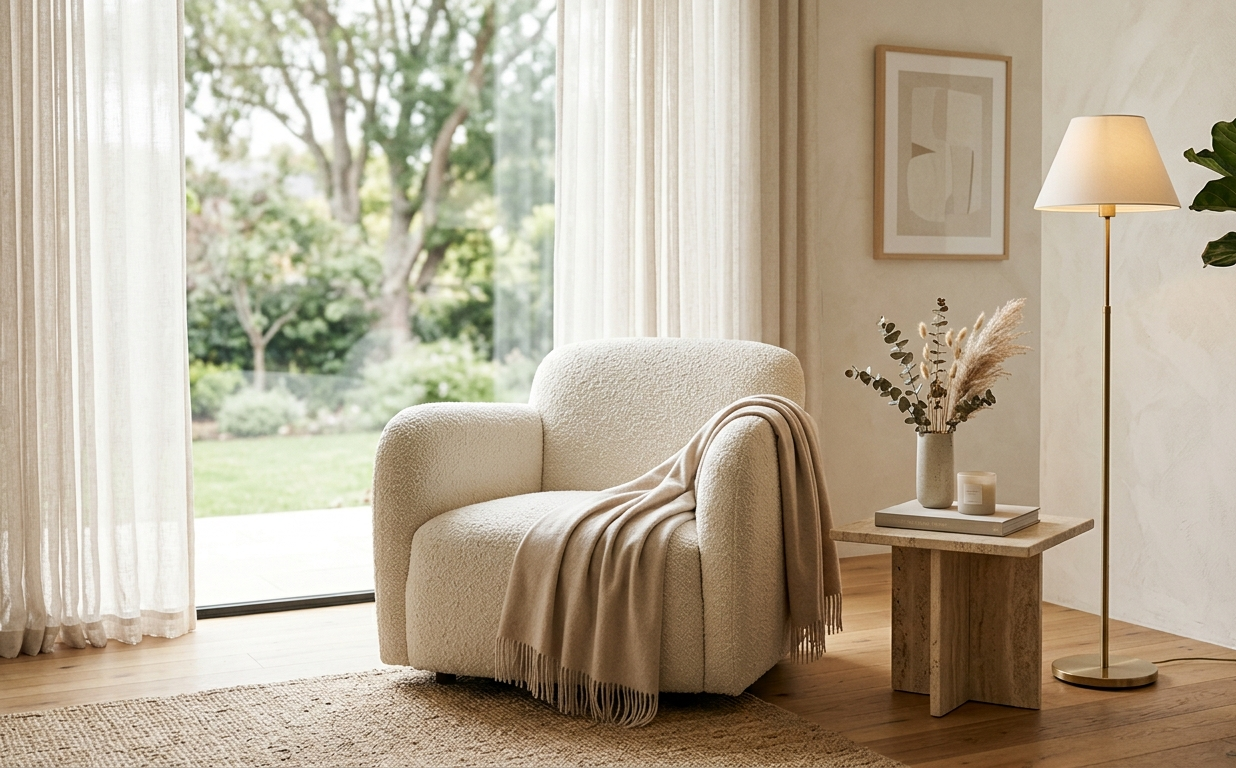
You don’t need a Manhattan penthouse budget to achieve this look. I have found that true elegance doesn’t shout; it whispers. Today, I am sharing the exact blueprint to bring the coveted quiet luxury home decor aesthetic into your living space without the eye-watering designer price tag.
The Evolution of Quiet Luxury: From Runway to Living Room
What Exactly is Quiet Luxury?
Quiet luxury is an interior design philosophy that prioritizes understated elegance, high-quality materials, and a sense of calm over overt displays of wealth. It rejects fast-fashion home trends, loud brand logos, and fleeting fads. Instead, it embraces a timeless, curated look where every item feels intentional. It’s the art of investing in pieces that look and feel better the closer you get to them.
The History and Cultural Shift
While the term has surged in popularity recently, the concept is far from new. It draws heavy inspiration from classic European minimalism, the British heritage aesthetic, and the clean functionality of Scandinavian design.
In my experience, this design movement is a direct cultural reaction to the overstimulation of the modern digital world. Our homes have become our sanctuaries. People are moving away from the stark, sterile minimalism of the early 2010s and the cluttered maximalism of the pandemic era. We are collectively craving spaces that offer a visual palette cleanser—homes that feel warm, lived-in, grounded, and inherently sophisticated.
The Core Pillars of Quiet Luxury Home Decor
To master this aesthetic on a budget, you must understand its foundational rules. It isn’t about how much money you spend; it’s about how carefully you select each element.
1. Spatial Flow and Intentional Layouts
One of the biggest mistakes I see homeowners make is crowding a room with furniture, thinking abundance equals wealth. In high-end design, space itself is the ultimate luxury.
- Prioritize Breathing Room: Allow plenty of clearance around your furniture pieces.
- Establish a Clear Focal Point: Whether it’s a beautifully dressed fireplace, a large window view, or a singular piece of statement furniture, let one element command the room.
- Edit Ruthlessly: If a piece of furniture or an accessory doesn’t serve a functional purpose or bring genuine aesthetic joy, remove it.
2. Textural Contrast Over Color Drama
When your color palette is restrained, textures must do the heavy lifting. This is where you create visual depth. By layering contrasting materials—smooth against rough, matte against polished—you prevent a neutral room from looking flat or boring.
3. The “Patina” Effect
Quiet luxury celebrates the beauty of age. Brand-new, hyper-glossy furniture can often look cheap and mass-produced. Introducing pieces with a natural patina—like weathered wood, unlacquered brass that tarnishes over time, or slightly distressed leather—gives a home a sense of history and soul.
The Deep Dive: Textures, Fabric Choices, and the Perfect Color Palette
To truly transform your space, we need to look closely at the sensory elements. The quiet luxury home decor style relies heavily on how a room feels to the touch and how the eye glides across a space.
The Quiet Luxury Color Psychology
The color palette of quiet luxury is deeply rooted in nature. We avoid stark, cold whites and synthetic brights. Instead, we lean into warm neutrals, earthy undertones, and complex, desaturated hues that shift beautifully under different lighting conditions.
Here is a curated color palette with hex codes that you can take straight to your local paint shop:
| Color Role | Description | Suggested Hex Code |
| The Base | Alabaster Silk (A warm, enveloping cream) | #F4F0EA |
| The Warmth | Travertine Taupe (A rich, stone-inspired greige) | #D1C7BD |
| The Depth | Olive Grove (A deep, muted, sophisticated green) | #5A6351 |
| The Ground | Smoked Walnut (A rich, dark, organic brown) | #4A3C31 |
| The Accent | Soft Charcoal (A gentle alternative to harsh black) | #363636 |
When painting your walls, I always recommend a flat, matte, or eggshell finish. High-gloss walls reflect too much light and can look commercial; a matte finish absorbs light, giving your walls a rich, velvety appearance that looks incredibly expensive.
Fabric Choices: Natural Over Synthetic
If you want your home to look expensive on a budget, look at your textile labels. Synthetic fibers like polyester and shiny nylon are dead giveaways of low-cost production. Natural textiles drape better, age beautifully, and possess an inherent weight that alters the entire room’s energy.
- Belgian Linen: Linen is the undisputed king of quiet luxury. It’s imperfect, breathable, and beautifully relaxed. Use it for floor-to-ceiling sheer curtains, throw pillows, and duvet covers. Don’t iron it to perfection; its natural creases are part of the charm.
- Bouclé and Chenille: For upholstery, these looped, nubby fabrics offer incredible textural contrast. A cream bouclé chair instantly elevates a living room corner.
- Mohair and Cashmere: For throws and blankets, save up for one high-quality cashmere or mohair throw rather than five synthetic acrylic ones. Draped over a sofa arm, it exudes understated indulgence.
- Matte Velvet: Avoid shiny velvet, which can look theatrical. Opt instead for a cotton-blend matte velvet for a heavy, plush, grounded look on accent chairs or headboards.
You might also enjoy:
- The Art of the Shelfie: How to Style Open Shelves
- Entryway Efficiency: Best Organization Stations
- Deep Dive: Under-Sink Organization for Vanities
The Curator’s Choice: 5 Timeless Elements Worth Curating
You do not need a showroom full of designer pieces to master quiet luxury home decor. Instead, focus on finding these five specific, high-impact items. You can hunt for these at thrift stores, vintage markets, or affordable estate sales.
1. The Statement Travertine or Marble Coffee Table
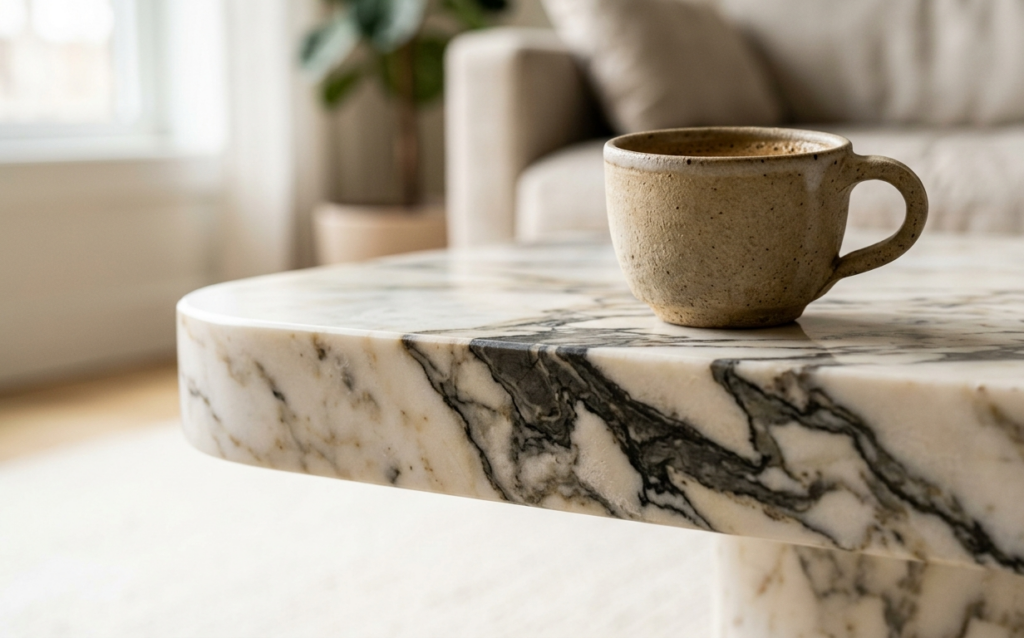
A solid stone table acts as an instant anchor for a living room. Look for low-profile tables with honed (matte) finishes rather than polished, shiny surfaces.
- Budget Tip: Look on local secondhand marketplaces for 1980s stone coffee tables. They are often made of real travertine, can be bought for a fraction of retail price, and fit this aesthetic perfectly.
2. Oversized, Matte Ceramic Vessels
Step away from tiny, cluttered knick-knacks. Instead, source one or two large-scale, rustic ceramic vases. Look for rough textures, asymmetrical shapes, and earthy finishes.
- Styling Tip: Place a single, large, dried branch or a few stems of fresh eucalyptus inside. It creates an elegant, organic focal point without looking over-styled.
3. Solid Wood Stools and Pedestals
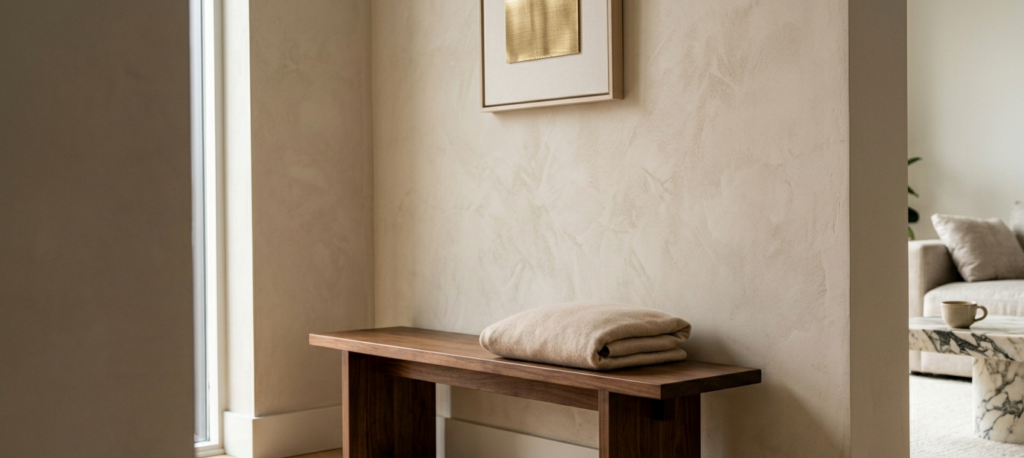
Whether it’s a rustic oak stool placed next to a bathtub or a dark walnut pedestal displaying a single book, raw wood brings an organic warmth to a home. The contrast of natural wood grain against smooth plaster walls is pure design magic.
4. Heavyweight, Floor-Length Drapery
Nothing cheapens a room faster than curtains that end a few inches above the floor or look thin and flimsy. For a luxury look, mount your curtain rods right at the ceiling line and let the fabric gently puddle or kiss the floor. Choose heavy linen or linen-blend fabrics with a privacy lining to give them weight and structure.
5. Architectural Vintage Hardware
Replacing standard builder-grade door handles, drawer pulls, and cabinet knobs with solid, unlacquered brass or oiled bronze hardware is a subtle change that completely alters the tactile experience of your home. Every time you open a door or drawer, you should feel a satisfying, heavy weight.
Room-by-Room Application: Implementing Quiet Luxury
Bringing this look to life requires a tailored approach for each functional zone of your home. Here is how to apply these styling principles room by room.
The Living Room: Creating a Sanctuary
The living room should be a masterclass in comfort and relaxation.
- The Foundation: Start with a large, neutral-toned wool or jute area rug that anchors all your furniture. Avoid small rugs; they make a room look disjointed.
- The Seating: Opt for a low-profile sofa in a performance linen or textured tight weave. Layer it with pillows of varying textures (one linen, one velvet, one knit) but keep them within the same tight color family.
- Lighting Strategy: Eliminate harsh overhead lighting. Instead, place table lamps with ceramic bases and linen shades at varying heights around the room to create a warm, inviting glow in the evenings.
The Bedroom: The Ultimate Retreat
In the bedroom, quiet luxury translates to a five-star boutique hotel experience that feels deeply personal and calm.
- The Bedding: Step away from stiff, perfectly ironed polyester sheets. Embrace the beautifully rumpled look of pure French linen bedding in shades of oatmeal, soft white, or warm taupe.
- The Headboard: A custom-looking upholstered headboard in a neutral linen or textured boucle instantly elevates the space. Keep the lines clean and geometric.
- The Clutter Control: Keep nightstands almost completely bare. A beautiful book, a small ceramic dish for your jewelry, and a sleek, dimmable reading light are all you need.
The Kitchen: Functional Elegance
Kitchens can easily become cluttered with appliances and gadgets. To achieve a high-end look, focus on minimalism and material integrity.
- Clear the Countertops: Hide the toaster, blender, and coffee maker in appliance garages or cabinets. The fewer items on your countertops, the more luxurious the stone or surface looks.
- Curate Functional Items: If an item stays out on the counter, it must be beautiful. Trade plastic dish soap bottles for amber glass dispensers. Store your wooden cooking utensils in a vintage stoneware crock.
- The Styling: Place a large, shallow wooden bowl on your island and fill it with a single type of seasonal fruit (like green apples, artichokes, or lemons). This simple styling trick looks incredibly intentional and sophisticated.
Pros and Cons: Balancing Aesthetic Elegance and Daily Life
Before transforming your home, it is important to understand the practical realities of the quiet luxury lifestyle.
The Advantages
- Timeless Longevity: Because this style completely avoids trendy motifs and loud colors, your home won’t look dated in five or ten years. It is a long-term style investment.
- Mental Clarity: The reduced visual clutter and soothing, earthy color palettes directly contribute to a lower-stress environment.
- Budget-Friendly Evolution: You don’t have to buy everything at once. This style thrives on pieces collected slowly over time, making it highly accessible for those budget-conscious decorators.
The Disadvantages & Maintenance Realities
- Stain Vulnerability: Light-colored textiles (creams, beiges, and soft taupes) require careful maintenance, especially if you have young children or pets. Design Solution: Opt for high-quality performance fabrics that are stain-resistant but still mimic the texture of natural linen and cotton.
- Requires Constant Curation: Because the look relies on minimalism, even a small amount of daily clutter (mail, shoes, toys) can quickly disrupt the serene spatial flow of the home. You must be committed to excellent hidden storage solutions.
The Ultimate Interior Design Checklist for Quiet Luxury
To help you audit your home as you embark on this design journey, use this handy checklist:
- [ ] The Lighting Test: Are all your bulbs warm tone ($2700\text{K}$)? Have you turned off the “big light” and utilized lamps and sconces instead?
- [ ] The Label Check: Are you slowly phasing out synthetic polyester throws and pillows for natural linen, cotton, wool, and silk?
- [ ] The Scale Check: Do you have fewer, larger accent pieces rather than dozens of small decorations scattered across shelves?
- [ ] The Polish Audit: Have you minimized shiny, chrome, and overly glossy finishes in favor of matte, honed, and brushed textures?
- [ ] The Hardware Upgrade: Have you replaced basic cabinet knobs with heavy, high-quality, or vintage alternatives?
Conclusion: Crafting a Home with Soul
Achieving a high-end look isn’t about replicating a page from a multi-million dollar designer catalog. It’s about slowing down, focusing on the sensory experience of your home, and choosing quality over sheer quantity. When you curate your space with patience, focusing on natural textures, warm lighting, and a cohesive, nature-inspired color palette, luxury naturally follows.
💡 The Insider Expert Tip
If you only have $100 to spend this month to upgrade your space, do not buy three small decor items from a big-box store. Instead, spend that entire budget on the largest, most beautiful vintage art piece or frame you can find at a thrift shop, or invest in a pair of high-quality, ceiling-height linen curtains. One grand, intentional statement will always do more for a room than a handful of inexpensive accessories.