
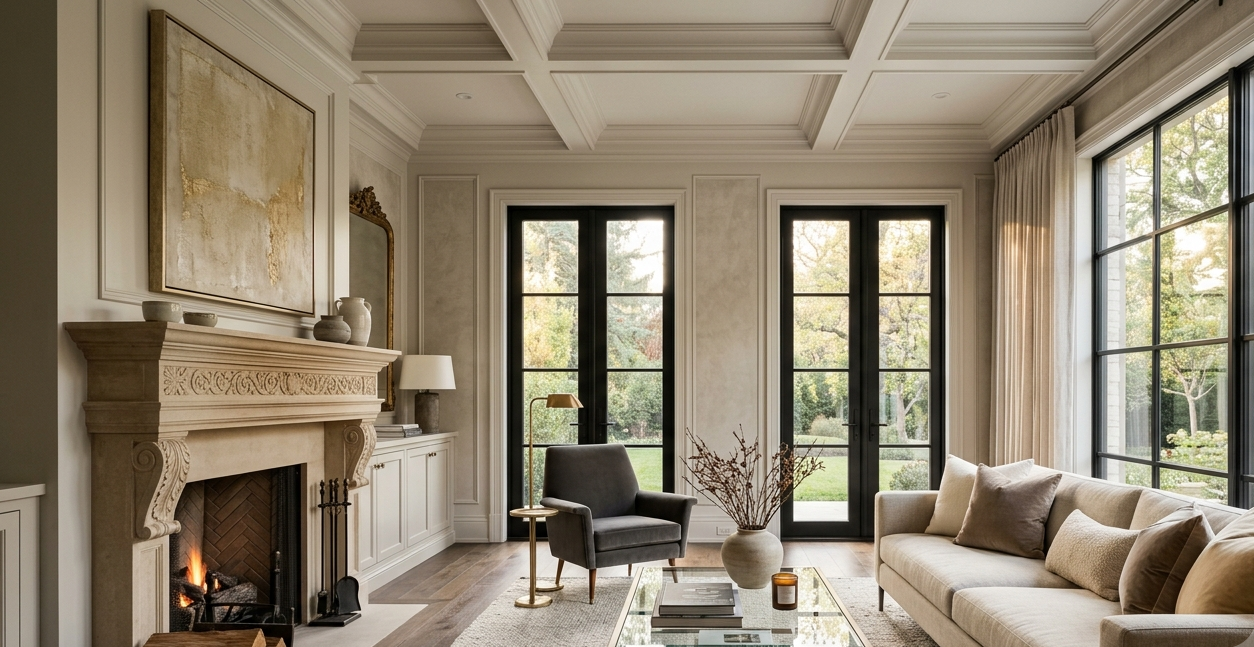
If you find yourself torn between the cozy, structured elegance of the past and the sleek, minimal energy of the present, you aren’t indecisive. You are a lover of the transitional aesthetic. In this comprehensive guide, I will share the exact design principles, material strategies, and styling secrets I have developed over of transforming residences into harmonious, transitional havens.
The Birth of Balance: A Brief History of Transitional Style
To truly understand the transitional interior design style, it helps to look back at how it emerged as a design movement. It didn’t happen overnight. Instead, it evolved as a natural cultural response to the stark aesthetic shifts of the late 20th century.
During the 1980s and 1990s, the design world witnessed an aggressive pendulum swing. On one side stood hyper-traditionalism: heavy draperies, elaborate floral wallpapers, dark mahogany furniture, and rooms packed with ornamental trinkets. On the exact opposite end emerged ultra-minimalism: cold glass tables, harsh steel frames, sharp angles, and clinical white spaces that felt more like art galleries than family homes.
Many homeowners found themselves stranded in the middle. They felt traditional spaces were too stifling and high-maintenance, yet they found contemporary design cold, uninviting, and painfully rigid.
By the early 2000s, designers began deliberately marrying elements from both worlds. We began stripping away the fussy, heavy ornamentation of traditional furniture while keeping its comfortable, graceful silhouettes. Simultaneously, we adopted the bright, open spatial layout and clean lines of modernism, filtering them through a warm, tactile lens. The result was a fresh, lived-in aesthetic that honors heritage while embracing the ease of modern living.
The Core DNA: Key Elements of Transitional Interior Design
The magic of a successful transitional space relies entirely on intentionality. It is not an erratic mix-and-match of random items; it is a curated dance between opposites. When evaluating your space, there are three non-negotiable principles you must master to establish a flawless spatial flow.
1. The Balancing Act of Line and Form
In a transitional space, your eye should glide effortlessly from straight, masculine lines to soft, feminine curves. If you have a clean-lined, modern sofa with track arms, pair it with a circular coffee table or a couple of classic barrel-back armchairs. If your architecture features traditional, arched windows, introduce a sleek, geometric console table beneath them. This intentional contrast prevents the room from feeling too sterile or too dated.
2. Streamlined Silhouettes
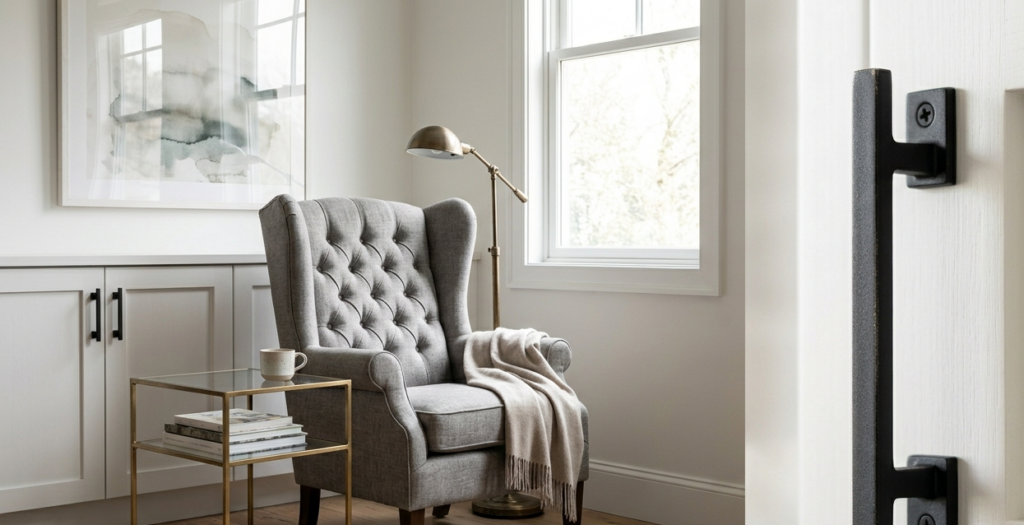
Furniture profiles in a transitional home are recognizable but simplified. You will frequently see classic silhouettes—like a Chesterfield sofa or a wingback chair—reimagined with cleaner upholstery, fewer tufts, and understated legs. The bulky, ornate carvings of the past are replaced by smooth, tapered profiles that allow the piece to breathe within the room.
3. Establishing a Soft Focal Point
Every great room needs a place for the eyes to rest. In traditional design, the focal point is often loud and dramatic, such as an ornate, gold-leaf fireplace mantel. In contemporary design, it might be a startling, avant-garde sculpture.
In a transitional room, I like to create a softer, more inviting focus. This could be a large, beautifully upholstered bed with a classic tufted headboard set against a minimal accent wall, or a handsome wooden dining table illuminated by an understated, structural chandelier.
Deep Dive: Color Palettes, Textures, and Fabrics
To truly build a rich, inviting home, we have to look closely at the materials that coat your surfaces. Because transitional design relies on a subdued color palette, your choice of fabrics and textural contrast is what prevents the space from looking flat or uninspired. Let’s break down the exact palette and material formulas I use in my client presentations.
The Transitional Color Palette
The foundation of any transitional home is rooted in a serene, sophisticated neutral palette. We use these quiet background colors to let the interplay of classic and modern shapes take center stage. However, “neutral” does not mean boring. The key is layering varying tones, temperatures, and depths.
Here is a curated palette that works beautifully in almost any residential layout:
| Color Role | Hue Name | Aesthetic Purpose | Suggested Hex Code |
| Foundation Base | Alabaster Mist | A warm, luminous off-white for walls that avoids looking clinical. | #F2EFE9 |
| Warm Mid-Tone | Weighted Greige | A versatile blend of gray and beige that grounds upholstery. | #B8B1A6 |
| Rich Depth | Heritage Taupe | A deep, earthy shade excellent for custom millwork or cabinetry. | #7A6F62 |
| Modern Edge | Iron Ore | A soft, dramatic charcoal black used sparingly for crisp contrast. | #3A3B3C |
| Soft Accent | Muted Sage | A whisper of color inspired by nature to bring tranquility to textiles. | #A2B09F |
When designing, I recommend keeping 70% to 80% of the room within the base and mid-tone neutral range. Use your deeper tones like Iron Ore or Heritage Taupe on structural elements—like window frames, fire surrounds, or select furniture pieces—to provide that essential modern contrast.
Textural Contrast and Fabric Choices
When you strip away bright patterns and heavy ornamentation, texture becomes your primary design language. In my experience of styling homes, I have found that a room lacking texture will always feel cold, no matter how expensive the furniture is.
To achieve a masterful transitional look, you want to layer materials that represent both traditional luxury and modern casualness:
- The Fabrics: Pair the structured weight of classic tailored linens and rich woven bouclés with the buttery softness of performance velvets and smooth, top-grain leathers. For instance, upholstering a clean-lined modern accent chair in a rich, traditional mohair velvet instantly creates an intriguing story.
- The Woods: Avoid ultra-glossy, highly polished traditional finishes. Instead, opt for wire-brushed oaks, matte walnut, or reclaimed timbers. The visible, textured grain of the wood adds an organic element that softens modern straight lines.
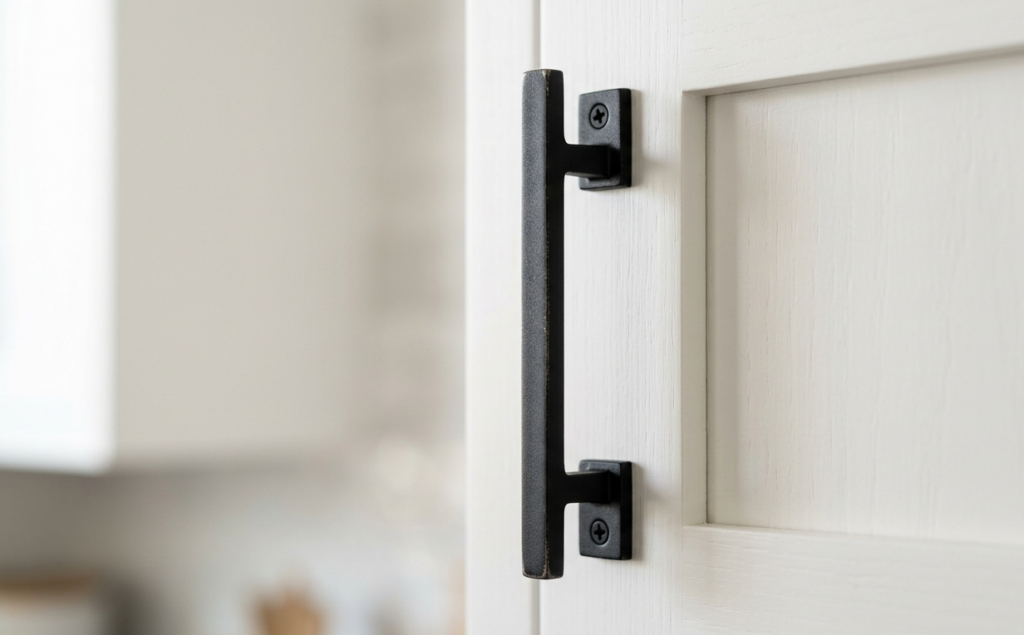
- The Metals: Mixing metals is highly encouraged in a transitional home, but keep them matte or brushed. I love combining warm, brushed brass (which channels a classic, vintage feel) with matte black iron or brushed nickel (which grounds the space with contemporary edge).
You might also enjoy:
- The Art of the Shelfie: How to Style Open Shelves
- Entryway Efficiency: Best Organization Stations
- Deep Dive: Under-Sink Organization for Vanities
Room-by-Room Application: Implementing the Aesthetic
Bringing the transitional interior design style into your home requires a tailored approach for each room. Every space has distinct functional demands, meaning the way you balance old and new must adapt.
1. The Living Room
The living room is typically where transitional design shines brightest, as it naturally accommodates a mix of furniture types.
- The Foundation: Start with a neutral, high-pile wool area rug or a natural jute rug to anchor the seating arrangement. Keep your walls light and airy using a tone like Alabaster Mist.
- The Furniture: Position a comfortable, deep-seated traditional sofa (think rolled arms or subtle English fashion) opposite two sleek, metal-framed mid-century modern armchairs.
- The Styling: Frame your windows with elegant, floor-to-ceiling linen drapery panels hung on a minimalist matte-black iron rod. For the coffee table, choose a clean-lined oak or marble piece, and top it with a few vintage stoneware vessels filled with fresh, unstructured greenery.
2. The Bedroom
In the bedroom, the goal is to create a deeply serene, hotel-like sanctuary that feels both curated and incredibly restful.
- The Foundation: Focus your design around the bed as the ultimate focal point. An oversized, fully upholstered wingback headboard in a neutral linen blend strikes the perfect balance of comfort and structure.
- The Furniture: Flank the bed with highly contemporary nightstands—perhaps featuring clean geometric lines, floating drawers, or integrated metal pulls. This juxtaposition prevents the bed from looking too traditional.
- The Styling: Layer the bed with an abundance of textures: crisp white cotton sheets, a heavy waffle-weave duvet cover, and a chunky knit throw blanket at the foot. For lighting, introduce transitional bedside lamps that feature a classic ceramic or sculptural alabaster base paired with a modern, straight-sided drum shade.
3. The Kitchen
The transitional kitchen has exploded in popularity, and for good reason: it beautifully bridges the warmth of a farmhouse kitchen with the sleek efficiency of a modern culinary space.
- The Cabinets: Opt for classic Shaker-style cabinet doors. Shaker cabinetry is the ultimate transitional chameleon; it features enough recessed profiling to feel traditional, yet its lines are clean enough to feel entirely modern. Paint them a sophisticated hue like Heritage Taupe or a soft, moody greige.
- The Countertops & Backsplash: Select a timeless, heavily veined white marble or a durable quartz alternative with elegant grey veining. Run the countertop material straight up the wall as a solid slab backsplash. This eliminates grout lines and delivers a clean, modern, seamless look.
- The Details: Install contemporary, linear cabinet hardware in brushed brass or matte black. For the final touch, hang a pair of industrial or sculptural glass pendant lights over the kitchen island to keep the sightlines open and beautifully illuminated.
The Curator’s Choice: 5 Essential Transitional Pieces
When styling a home, choosing individual pieces can feel overwhelming. To help you build your shopping list, I have curated five quintessential furniture and accessory types that beautifully embody the spirit of transitional interior design style. These are my tried-and-true recommendations that look fantastic across a wide variety of architectural layouts.
1. The Simplified Roll-Arm Sofa
The classic English roll-arm sofa is a staple of traditional estates, celebrated for its deep, comfortable seat and graceful curves. In its transitional iteration, the rolled arms are scaled down and made tighter, the back is slightly lower, and the skirt is entirely removed to expose beautiful, tapered wooden legs. It offers all the welcoming comfort of heritage seating without any of the old-world bulk.
2. The Mixed-Material Coffee Table
A coffee table that combines disparate materials is an excellent tool for tying a transitional room together. Look for a piece that features a thick, honed Carrara marble or raw travertine top supported by a minimalist, geometric black iron or gunmetal frame. The natural, historic luxury of the stone balances perfectly with the industrial, modern architecture of the metal base.
3. The Overscaled Ceramic Table Lamp
Lighting is an incredibly powerful accessory. For an instant transitional upgrade, source large, statement-making ceramic lamps that boast an organic, hand-thrown texture or an ancient amphora-inspired shape. The twist? Top them with a perfectly white, crisp, cylindrical linen drum shade. The contrast between the rugged, historic base and the sharp, modern shade is pure design perfection.
4. The Clean-Lined Shaker Sideboard
Whether placed in the dining room as a buffet or in the living room as a media console, a long wooden sideboard with simplified Shaker paneling is a functional workhorse. Look for a unit in a matte, wire-brushed oak or black grain finish. It provides massive storage while contributing a calm, architectural presence that plays beautifully with both modern art and vintage accents.
5. The Neutral Performance Bouclé Accent Chair
Bouclé fabric—with its looped, curly texture—is a fabulous way to introduce sensory warmth into an interior. I highly recommend selecting a pair of accent chairs that feature a sleek, rounded, modern silhouette upholstered in an ivory performance bouclé. The material feels deeply luxurious and classic, while the shape remains distinctly cutting-edge.
Weighing the Options: Pros and Cons of Transitional Design
Before fully committing to an aesthetic, it is helpful to look at both its functional rewards and its maintenance realities. No design style is completely flawless, and understanding the balance will help you manage your home effectively.
The Advantages
- Ultimate Versatility: Because this style thrives on blending eras, you never have to throw out your cherished family heirlooms or vintage finds. You can easily integrate a grandfather clock or an antique chest of drawers alongside a modern sofa.
- Incredibly High Resale Value: Buyers love transitional homes. Because the aesthetic avoids extreme, polarizing design choices, it creates a universally appealing, move-in-ready atmosphere that feels upscale yet approachable.
- A Timeless Lifespan: Unlike hyper-trendy aesthetics that look dated within a few seasons, transitional spaces age beautifully. You won’t find yourself needing a total style overhaul in five years.
The Considerations
- Requires Curation Discipline: The freedom to mix styles can occasionally tempt homeowners to over-furnish or combine clashing items. It takes conscious restraint to keep the space from sliding into cluttered chaos.
- Upholstery Maintenance: Because the palette relies heavily on light neutrals—like cream, ivory, taupe, and off-white—keeping fabrics pristine can require extra care, especially in homes with active children or beloved pets.Designer Tip: I always advise my clients to invest in high-quality performance fabrics. Modern textile technology allows you to have a beautiful ivory linen or velvet sofa that is completely stain-resistant and easily cleaned with plain soap and water.
Conclusion: Crafting Your Timeless Home
At its heart, transitional interior design style is about freedom. It is the liberation from rigid design rules, allowing you to honor the comforting elegance of the past while celebrating the clean, bright efficiency of modern life. It proves that your home doesn’t have to look like a historic museum or a clinical lab—it can simply feel like you.
My Final Expert Tip
If you are feeling stuck on where to begin, start with a simple 80/20 rule. Let one style dominate the large foundation of the room, and use the other for the remaining elements. For example, let 80% of your room be defined by clean, modern lines (your walls, your sofa, your rugs), and inject 20% classic warmth through antique accent tables, vintage artwork, and rich traditional textiles. This simple formula guarantees balance every single time.
Now, take a walk through your home. Look for opportunities to swap out a heavy fabric for a fresh linen, or to pair a straight-lined modern table with a gracefully curved chair. Enjoy the process of creating visual harmony, and embrace the beautiful balance of a transitional life.