
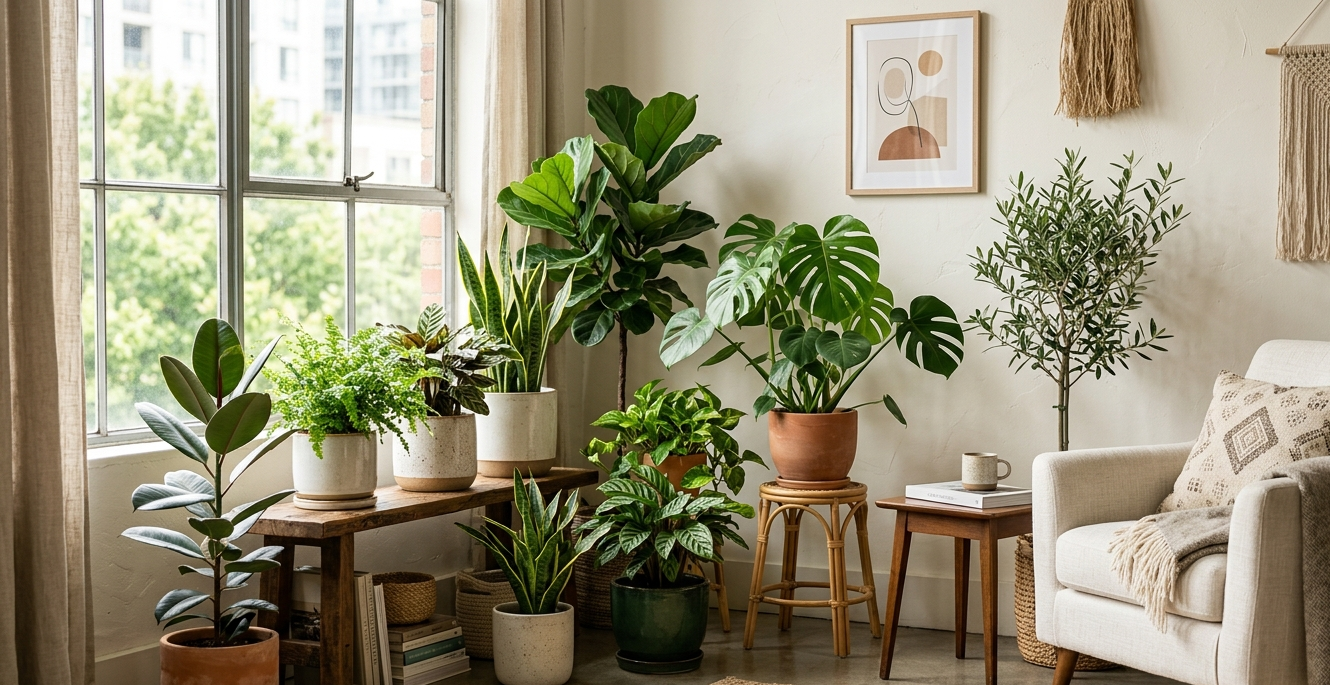
It took years of trial, error, and dozens of floor plans to realize that you don’t need a greenhouse-style solarium to enjoy a lush, “jungle-lite” aesthetic. You just need the right biological partners. Today, I’m sharing my curated list of the best indoor plants for low light apartments that are pet safe, focusing on how to integrate them into your home’s spatial flow and visual harmony.
The Evolution of the “Indoor Jungle” Aesthetic
Historically, indoor gardening was reserved for the elite with access to Victorian orangeries and glass houses. In the mid-20th century, we saw a shift toward “architectural plants” like the Swiss Cheese Plant (Monstera), which prioritized bold silhouettes over ease of care.
However, the modern design movement has pivoted toward Biophilic Design—the practice of connecting human environments to the natural world. In my experience of styling homes, I’ve seen this evolve from a mere trend into a lifestyle necessity. We aren’t just looking for “decor”; we are looking for living elements that provide textural contrast against our hard surfaces and digital screens.
For those living in urban centers where square footage is tight and sunlight is blocked by skyscrapers, the challenge isn’t just survival; it’s style. We want plants that act as a focal point without requiring a degree in botany or putting our furry roommates at risk.
Mastering the Palette: Color Psychology and Textural Contrast
When we talk about interior design, we often focus on paint and fabric. But plants are a living color palette. When selecting the best indoor plants for low light apartments that are pet safe, you are essentially choosing a permanent accent color.
The Power of Greenery Tones
Green is the only color that the human eye can distinguish in the most varied shades. In a low-light room, “green” acts as a neutral. It bridges the gap between warm wood tones and cool metallic finishes.
- Deep Forest Greens: These provide a sense of stability and luxury. I often use them in home offices to promote focus.
- Variegated Creams and Lime: In a dark corner, a plant with white or light green variegation acts like a natural lamp, bouncing what little light is available back into the room.
Suggested Color Palette (Hex Codes)
To create a cohesive look around your greenery, consider these pairings for your textiles and wall colors:
- Deep Moss:
#4A5D23(Perfect for velvet cushions) - Soft Sage:
#B2AC88(Ideal for linen curtains) - Warm Terracotta:
#E2725B(The classic earthy contrast for green leaves) - Muted Alabaster:
#F2F0EA(A “gallery white” that lets the plant silhouette pop)
Textural Harmony
In design, textural contrast is what prevents a room from feeling flat. A glossy-leaved plant like a Cast Iron Plant looks stunning next to a matte-finished concrete planter or a chunky wool throw. Conversely, the feathery fronds of a fern provide a soft, romantic counterpoint to the sharp, clean lines of Mid-Century Modern furniture.
The 7 Best Indoor Plants for Low Light Apartments That Are Pet Safe
1. The Parlor Palm (Chamaedorea elegans)
The ultimate Victorian throwback. These palms thrive in North-facing windows and grow slowly, meaning they won’t outgrow your favorite corner too quickly. Their feathery fronds create a beautiful play of shadows on the wall.
2. Calathea (The Prayer Plant)
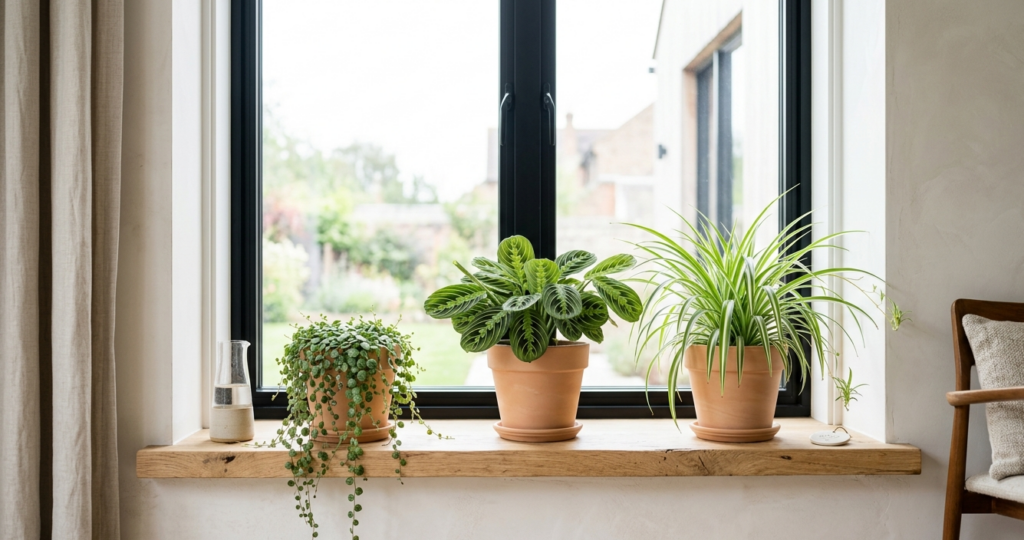
Known for their stunning leaf patterns that look almost hand-painted. They “pray” by folding their leaves at night, adding a sense of movement to your space. They love humidity, making them a top choice for stylized bathrooms.
3. Spider Plant (Chlorophytum comosum)
A staple for a reason. Their arching “babies” create a sense of verticality. I love placing these on high bookshelves where the runners can cascade down like a green waterfall.
4. Cast Iron Plant (Aspidistra elatior)
The name says it all. If you have a hallway that sees almost no sun, this is your plant. Its deep green, leathery leaves provide a sophisticated, structural look that fits perfectly in a minimalist or industrial setting.
5. Bird’s Nest Fern (Asplenium nidus)
Unlike some finicky ferns, the Bird’s Nest has wavy, ripple-edged fronds that stay intact. It provides a tropical, lush vibe without the “shedding” mess of a Boston Fern.
6. Bromeliads
For those who crave a pop of color. Many bromeliads are epiphytes (they grow on trees in the wild) and are surprisingly tolerant of low light. Their neon “flowers” (actually bracts) can last for months.
7. Money Tree (Pachira aquatica)
Often sold with a braided trunk, this plant adds immediate visual interest and a touch of Feng Shui “good luck” to your entryway. It’s incredibly hardy and perfectly safe for nibbling pets.
The Curator’s Choice: 5 Accessories to Elevate Your Greenery
In my experience, a plant is only as stylish as the vessel it inhabits. Here are my top 5 picks for plant-related accessories that bridge the gap between “hobbyist” and “high-end designer.”
| Accessory Type | Why It Works | Styling Tip |
| Elevated Mid-Century Planters | Lifts the plant off the floor, creating a better spatial flow. | Use a walnut wood stand to warm up a room with grey flooring. |
| Self-Watering Ceramic Pots | Combines functionality with a high-end matte finish. | Choose a “Stone” or “Sand” glaze to keep the focus on the foliage. |
| Brass Misters | Adds a touch of vintage “jewelry” to your shelving. | Place it next to a stack of art books as a decorative object. |
| Macramé Hangers (Organic Cotton) | Softens the hard corners of a window or room. | Use in groups of three at varying heights for maximum visual impact. |
| Sleek LED Grow Bulbs | Allows you to put plants in literally any corner. | Screw these into your existing designer lamps for a hidden light boost. |
Room-by-Room Application: Integrating Nature into the Home
The Living Room: The Statement Piece
In the living room, I always look for a focal point. A large Parlor Palm in a corner can replace the need for an expensive floor lamp or a bulky piece of furniture. It breaks up the “boxy” feeling of most apartments. Use the principle of the “Rule of Three”—group a tall plant with two smaller decorative objects of varying textures to create a curated vignette.
The Bedroom: A Sanctuary of Softness
The bedroom should feel like a retreat. Here, I prefer the Spider Plant or Calathea. The Spider Plant’s ability to “hang” makes it perfect for those of us with cluttered nightstands. Hanging a plant in the corner draws the eye upward, making small bedroom ceilings feel higher than they actually are.
The Kitchen: The Green Backsplash
Kitchens are often full of “hard” materials: tile, stone, stainless steel. A Bird’s Nest Fern on a countertop or a floating shelf provides a much-needed organic touch. Since these plants love moisture, they thrive near the steam of a dishwasher or sink.
You might also enjoy:
- The Magic of Color: Ultimate Accent Wall Guide
- The Golden Rules of Curtain Length and Height
- Pattern Play: How to Mix Patterns in Home Decor
Pros and Cons of Low-Light, Pet-Friendly Design
Pros:
- Low Maintenance: Most low-light plants have slower metabolisms, meaning less frequent watering and pruning.
- Peace of Mind: You never have to worry if your cat decides to explore the “indoor jungle.”
- Aesthetic Longevity: These plants aren’t “trendy” one-offs; they are classic staples that work with Traditional, Scandi, or Boho styles.
Cons:
- Slow Growth: You won’t see dramatic changes overnight. If you want a “big” look immediately, you’ll need to buy a mature specimen.
- Risk of Overwatering: In low light, water evaporates slowly. The biggest mistake I see clients make is loving their plants to death with too much water.
Deep Dive: Materiality and Fabric Choices
When you introduce plants into your design, you must consider how they interact with your existing materials. As an interior designer, I look at the specular highlights (the way light hits a surface).
Fabrics that Complement Greenery
- Linen: The slubby, organic texture of linen is the natural soulmate of indoor plants. A flax-colored linen sofa provides a neutral backdrop that makes the green of a Calathea look incredibly vivid.
- Velvet: This is where you get high drama. A navy or forest green velvet chair paired with a large-leafed plant creates a “moody maximalist” vibe that feels incredibly expensive.
- Leather: The cognac tones of aged leather create a stunning color complement to green. It’s the “Trees and Earth” palette that feels grounded and timeless.
Planter Materials
Don’t just stick to plastic liners. Consider terracotta for an earthy, Mediterranean feel, or glazed porcelain for a more formal, polished look. If your room feels too “cold,” bring in woven seagrass baskets as cachepots to add warmth and a handcrafted touch.
Expert Tip for the Urban Gardener
The “Quarter-Turn” Secret: In low-light apartments, plants will naturally lean toward whatever light source is available (a phenomenon called phototropism). To keep your plant’s silhouette symmetrical and prevent it from looking “leggy” or lopsided, give the pot a quarter-turn every time you water it. This ensures even growth and maintains that professional, designer-styled look.
Final Thoughts
Creating a home that feels alive shouldn’t be a source of stress. By choosing the best indoor plants for low light apartments that are pet safe, you are investing in the “breathability” of your home. You are softening the edges of your life and creating a sanctuary that welcomes both you and your pets.